Creating a beautiful home is about much more than arranging furniture or selecting attractive paint colors. Great Home Decor and Design combines creativity, functionality, and personal style to create spaces that are comfortable, practical, and visually appealing. Whether you live in a spacious house, a modern apartment, or a compact studio, thoughtful design decisions can completely transform the way your home looks and feels.
In 2026, interior spaces are becoming smarter, more sustainable, and more personalized than ever before. Homeowners are moving away from generic decorating trends and embracing interiors that reflect their lifestyles while maximizing comfort and efficiency. Natural materials, curved furniture, earth-tone color palettes, layered textures, and multifunctional spaces are defining today’s Modern Home Design trends.
Decorating a home may seem overwhelming at first, especially with countless furniture styles, color combinations, lighting options, and accessories available on the market. However, understanding the basic principles of design makes every decision easier. From selecting the perfect sofa to choosing artwork that complements your walls, every element contributes to creating a harmonious living environment.
What is Home Decor?
Home decor refers to all the decorative elements that enhance the appearance and atmosphere of a living space. These elements include furniture, lighting, rugs, curtains, artwork, mirrors, cushions, plants, decorative accessories, and wall finishes.
Unlike structural renovations, home decoration focuses on improving aesthetics while making spaces feel more welcoming and functional. Even simple updates like replacing throw pillows or adding indoor plants can dramatically improve a room’s appearance.
Today’s Home Decor Ideas emphasize simplicity, sustainability, and personalization. Instead of following every trend, homeowners are selecting timeless pieces that reflect their personalities while creating comfortable spaces for everyday living.

What is Interior Design?
Interior design is the process of planning and organizing interior spaces to improve both functionality and appearance. It involves understanding layouts, lighting, furniture placement, storage solutions, traffic flow, materials, textures, and colors.
Professional designers consider how people interact with a space while ensuring that every element works together harmoniously. Interior design is both an art and a science, balancing creativity with practical living requirements.
This comprehensive Interior Design Guide explains how thoughtful planning can transform ordinary rooms into beautiful and efficient living environments.
Difference Between Decorating and Designing
Although often used interchangeably, decorating and designing are different disciplines.
Interior decorating focuses primarily on visual improvements through furniture, fabrics, accessories, artwork, and colors.
Interior design involves planning the structure, layout, lighting systems, storage, and overall functionality of a space before decoration begins.
Decorating adds personality, while designing creates the foundation that makes a home comfortable and practical.
Why Good Design Matters
Good design affects every aspect of daily life. A well-designed home improves organization, increases productivity, reduces stress, and creates comfortable environments for relaxation and social interaction.
Proper lighting makes tasks easier, organized storage minimizes clutter, and carefully selected furniture improves comfort. Even color choices influence mood, making thoughtful design decisions valuable beyond aesthetics.
Well-designed homes also maintain stronger resale value and remain appealing for many years.
Benefits of a Well-Designed Home
A thoughtfully designed home offers numerous advantages:
- Better space utilization
- Improved organization
- Increased comfort
- Enhanced visual appeal
- Higher property value
- Better natural light distribution
- Greater energy efficiency
- Easier maintenance
- Healthier indoor environment
- More enjoyable everyday living
How This Guide Will Help Homeowners
This guide covers everything needed to create beautiful interiors regardless of budget or home size. From selecting furniture and lighting to understanding color psychology and decorating styles, readers will discover practical strategies for creating functional and stylish spaces.
Whether you’re searching for House Decoration Ideas, expert Home Styling Tips, or timeless Interior Decorating Ideas, this guide provides inspiration and actionable advice for every room.
Understanding Home Decor
Definition
Home decor is the art of improving interior spaces using furniture, accessories, colors, textures, lighting, and decorative elements that create visually pleasing and functional environments.
Rather than focusing only on appearance, modern home decor balances beauty with practicality, ensuring spaces support everyday activities while reflecting personal style.
Purpose of Home Decor
The primary purpose of home decor is to create comfortable environments that support the way people live.
Good decoration serves multiple functions:
- Enhances visual appeal
- Creates welcoming spaces
- Improves functionality
- Reflects personality
- Increases comfort
- Organizes daily living
- Supports relaxation
Every carefully selected piece contributes to a cohesive and inviting atmosphere.
History of Home Decor and design
Home decoration has evolved throughout human history.
Ancient Egyptians decorated homes with painted walls, woven textiles, and handcrafted furniture.
Greek and Roman civilizations introduced marble columns, sculptures, and elaborate mosaics.
During the Renaissance period, luxurious fabrics, carved wood, and ornate furniture became symbols of wealth.
The Industrial Revolution made decorative furniture accessible to middle-class families through mass production.
Today, global influences, sustainable materials, and smart technology continue shaping modern interiors while combining traditional craftsmanship with contemporary innovation.
Evolution of Interior Design
Interior design has transformed dramatically over the past century.
Traditional interiors emphasized symmetry, decorative moldings, and formal layouts.
Modern design introduced simplicity, open spaces, and functionality.
Scandinavian interiors prioritized natural light and minimalism.
Japanese aesthetics inspired calm, clutter-free environments.
Today’s Modern Home Design blends sustainability, smart technology, multifunctional furniture, and wellness-focused spaces that adapt to changing lifestyles.
Modern Decorating Principles
Simplicity
Simple spaces feel organized and timeless. Clean lines and uncluttered layouts create calming environments.
Functionality
Every furniture piece should have a clear purpose while contributing to overall aesthetics.
Natural Materials
Wood, stone, linen, cotton, bamboo, and rattan create warmth and timeless appeal.
Layering
Combining multiple textures through rugs, throws, cushions, and curtains adds visual depth.
Sustainability
Eco-friendly materials and energy-efficient lighting have become essential components of contemporary home decor.
Personalization
Rather than copying trends, homeowners increasingly create interiors that reflect individual lifestyles and interests.
Common Home Decor and Design Decorating Myths
Myth 1: Expensive Decor Always Looks Better
Thoughtful planning often creates more attractive interiors than expensive furniture alone.
Myth 2: Small Rooms Need Small Furniture
Appropriately scaled larger furniture often creates a cleaner and more spacious appearance.
Myth 3: Everything Must Match
Modern interiors embrace coordinated contrasts rather than identical furniture collections.
Myth 4: White Is the Only Neutral
Soft greys, warm beige, sage green, and earthy tones also create bright and spacious interiors.
Myth 5: Minimalism Means Empty Spaces
Minimalist interiors focus on intentional design, not the absence of personality or comfort.
Basic Principles of Interior Design
Beautiful interiors rely on fundamental design principles that create visual harmony and functionality.
Balance
Balance distributes visual weight evenly throughout a room.
Symmetrical Balance
Furniture and decor are arranged equally on both sides, creating formal and elegant spaces.
Asymmetrical Balance
Different objects create equal visual weight while producing more relaxed and dynamic interiors.
Radial Balance
Elements radiate around a central focal point such as a dining table or chandelier.
Harmony
Harmony ensures colors, furniture, textures, and accessories complement one another instead of competing for attention.
Repeating similar materials and shapes creates cohesive interiors that feel organized and peaceful.
Contrast
Contrast prevents rooms from appearing flat.
Examples include:
- Dark furniture against light walls
- Smooth marble beside textured wood
- Modern sofas paired with vintage accessories
- Matte finishes combined with metallic accents
Contrast adds personality while highlighting focal points.
Rhythm
Rhythm guides the eye naturally throughout a room.
It is achieved through repeating:
- Colors
- Shapes
- Patterns
- Materials
- Lighting fixtures
Consistent repetition creates movement and visual continuity.
Scale
Scale refers to the size of objects relative to the room itself.
Oversized furniture overwhelms compact spaces, while tiny furniture appears insignificant inside large rooms.
Choosing appropriate scale creates balance and comfort.
Proportion
Proportion focuses on relationships between furniture pieces.
Coffee tables should complement sofas, artwork should fit wall dimensions, and lighting fixtures should match ceiling height.
Correct proportions produce harmonious interiors.
Emphasis
Every room benefits from a focal point.
Common focal points include:
- Fireplaces
- Statement artwork
- Feature walls
- Large windows
- Designer lighting
- Accent furniture
Everything else should support rather than compete with the focal feature.

Unity
Unity connects all design elements into one consistent style.
Repeating materials, colors, and textures creates rooms that feel intentional and professionally designed.
Texture
Texture introduces depth and warmth.
Popular textures include:
- Wood
- Linen
- Velvet
- Leather
- Marble
- Wool
- Glass
- Metal
Layering multiple textures creates rich and inviting interiors.
Pattern
Patterns add personality without overwhelming spaces.
Geometric rugs, floral cushions, striped curtains, and textured wallpapers introduce visual interest while maintaining balance.
Space Planning
Space planning organizes furniture for efficient movement and functionality.
Effective layouts consider:
- Walking paths
- Natural light
- Conversation areas
- Storage access
- Furniture proportions
- Multi-purpose use
Good planning maximizes every square foot while maintaining openness.
Interior Design Principles Table
| Principle | Purpose | Example |
|---|---|---|
| Balance | Visual stability | Even furniture placement |
| Harmony | Cohesive appearance | Coordinated colors |
| Contrast | Visual interest | Black and white palette |
| Rhythm | Eye movement | Repeated lighting fixtures |
| Scale | Proper sizing | Large sofa in spacious room |
| Proportion | Balanced relationships | Coffee table and sofa |
| Emphasis | Strong focal point | Fireplace wall |
| Unity | Complete design | Matching materials |
| Texture | Added depth | Wood and linen combination |
| Pattern | Decorative interest | Geometric rugs |
| Space Planning | Improved functionality | Open-concept layout |
Choosing Your Home Decor Style
Selecting the right decorating style creates consistency throughout your home while reflecting your personality. Choosing a decorating style is one of the most important decisions in Home Decor and Design, as it establishes the overall personality and atmosphere of your living space.
Modern Style
Characteristics
Modern interiors feature clean lines, open layouts, neutral colors, and clutter-free spaces.
Color Palette
- White
- Grey
- Black
- Beige
- Soft earth tones
Furniture
Simple silhouettes with smooth surfaces and minimal ornamentation.
Lighting
Recessed lights, pendant fixtures, and sculptural lamps.
Accessories
Minimal artwork, indoor plants, glass decor, and metallic accents.
Best Suited For
Urban apartments, contemporary homes, and open-concept layouts.
Pros
- Timeless appearance
- Easy maintenance
- Spacious feel
- Highly functional
Cons
- Can feel cold without layered textures
- Requires organization to maintain clean aesthetics
Selecting a decorating style helps create consistency throughout your home. While every style has its own personality, many homeowners combine elements from multiple designs to create a space that feels unique and personal.

Contemporary Style
Characteristics
Contemporary interiors constantly evolve with current trends while maintaining simplicity and elegance. Open layouts, clean lines, and functional furniture define this style.
Color Palette
- White
- Grey
- Black
- Taupe
- Soft Beige
Furniture
Smooth surfaces, curved sofas, minimalist coffee tables, and sleek storage units.
Lighting
LED lighting, statement pendants, floor lamps, and recessed fixtures.
Accessories
Large artwork, textured cushions, mirrors, and metallic accents.
Best Suited For
Urban apartments and newly built homes.
Pros
- Sophisticated appearance
- Flexible styling
- Spacious feel
Cons
- Trends may change frequently
Minimalist Style
Characteristics
Minimalism focuses on “less is more.” Every item serves a purpose while clutter is eliminated.
Color Palette
White, cream, beige, grey, and black.
Furniture
Simple furniture with straight lines and hidden storage.
Lighting
Natural light combined with subtle LED fixtures.
Accessories
Very limited decorative pieces with emphasis on quality.
Best Suited For
Small apartments and modern homes.
Pros
- Easy maintenance
- Calm atmosphere
- Timeless appearance
Cons
- Can feel empty without texture
Scandinavian Style
Characteristics
Scandinavian interiors combine warmth, simplicity, and functionality.
Color Palette
White, soft grey, light wood, pastel blue, and muted green.
Furniture
Light wood furniture with clean lines.
Lighting
Large windows, pendant lights, and warm table lamps.
Accessories
Knitted throws, indoor plants, candles, and woven baskets.
Best Suited For
Homes with limited natural light.
Pros
- Bright interiors
- Comfortable atmosphere
- Family friendly
Cons
- Requires regular organization
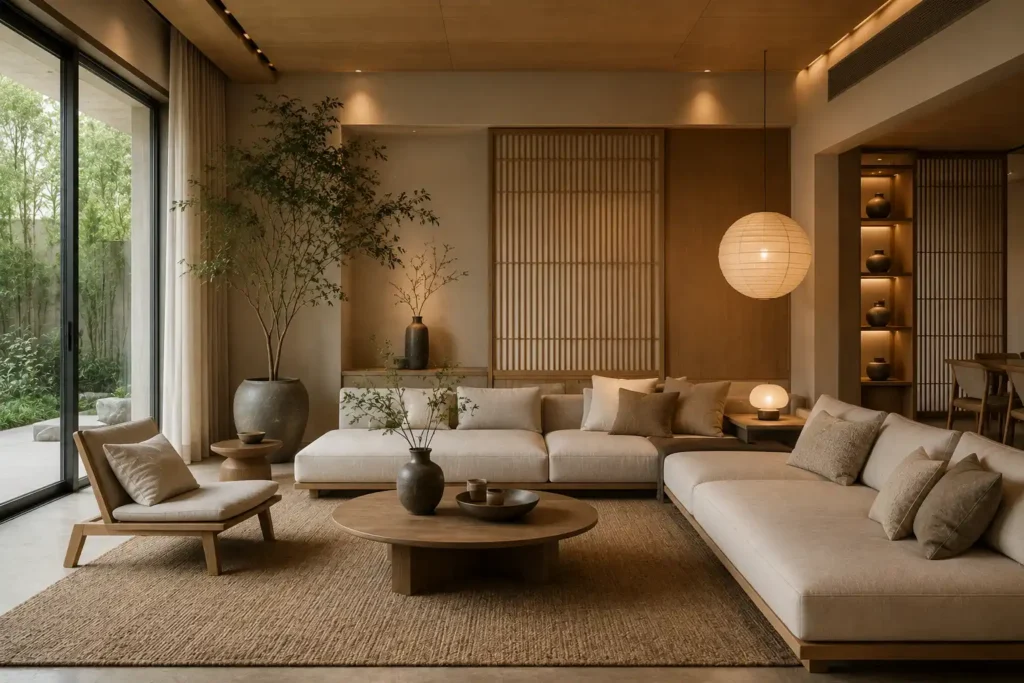
Japandi Style
Characteristics
Japandi combines Japanese simplicity with Scandinavian comfort.
Color Palette
Warm beige, cream, charcoal, wood tones, sage green.
Furniture
Low-profile furniture crafted from natural materials.
Lighting
Soft ambient lighting and paper-inspired lamps.
Accessories
Ceramic vases, bamboo décor, linen textiles.
Best Suited For
Peaceful and wellness-focused homes.
Pros
- Relaxing atmosphere
- Sustainable design
- Timeless appeal
Cons
- High-quality materials may be expensive
Farmhouse Style
Characteristics
Farmhouse interiors create warmth through natural textures and vintage charm.
Color Palette
White, cream, brown, sage green.
Furniture
Wood dining tables, distressed cabinets, open shelving.
Lighting
Lantern lights and rustic chandeliers.
Accessories
Cotton fabrics, woven baskets, antique clocks.
Best Suited For
Family homes and cottages.
Pros
- Cozy atmosphere
- Timeless design
Cons
- Requires larger spaces
Rustic Style
Characteristics
Rustic design celebrates natural materials and handcrafted finishes.
Color Palette
Brown, beige, olive, terracotta.
Furniture
Solid wood with visible grain and natural imperfections.
Lighting
Iron fixtures and warm Edison bulbs.
Accessories
Stone accents, wool rugs, leather seating.
Best Suited For
Mountain homes and countryside residences.
Pros
- Warm and inviting
- Highly durable
Cons
- Can feel heavy in smaller rooms
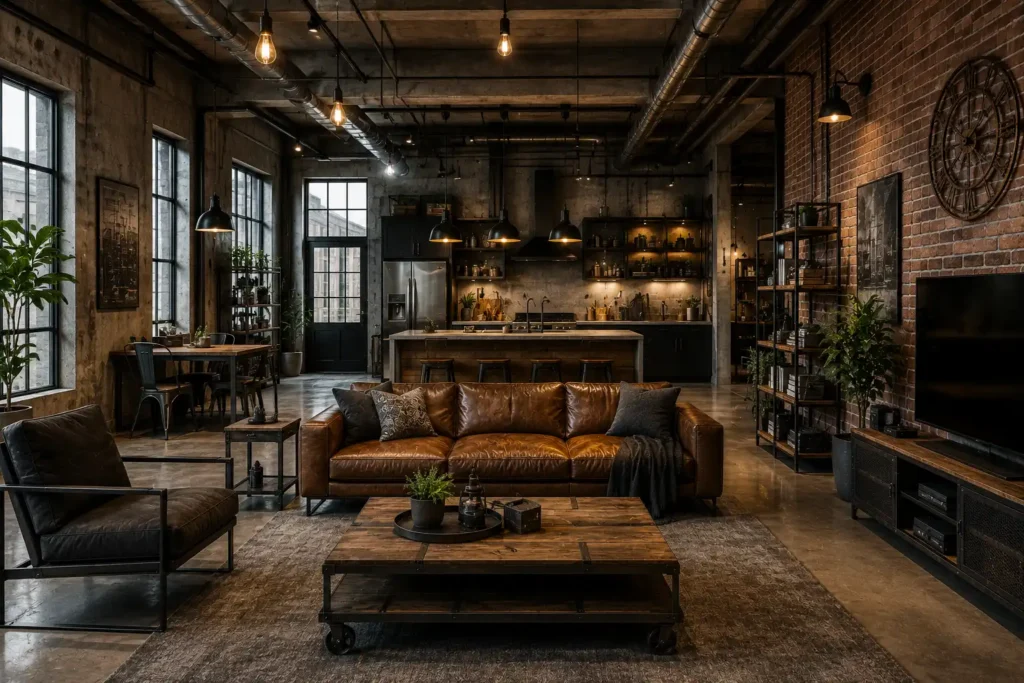
Industrial Style
Characteristics
Inspired by warehouses and loft apartments.
Color Palette
Black, grey, exposed brick red, brown.
Furniture
Metal frames combined with reclaimed wood.
Lighting
Pendant lights and exposed bulbs.
Accessories
Concrete planters, metal shelves, factory-inspired clocks.
Best Suited For
Loft apartments and modern studios.
Pros
- Unique character
- Durable materials
Cons
- Can appear cold without soft furnishings
Mid-Century Modern Style
Characteristics
Clean lines combined with organic shapes.
Color Palette
Mustard, walnut brown, olive green, white.
Furniture
Tapered legs, curved chairs, wooden cabinets.
Lighting
Arc floor lamps and globe pendants.
Accessories
Abstract artwork and geometric rugs.
Best Suited For
Modern family homes.
Pros
- Timeless appeal
- Comfortable layouts
Cons
- Authentic furniture can be costly
Coastal Style
Characteristics
Inspired by beach houses and natural landscapes.
Color Palette
White, sky blue, sand beige, soft grey.
Furniture
Light wood and woven textures.
Lighting
Natural light and glass pendants.
Accessories
Shell décor, woven baskets, linen curtains.
Best Suited For
Homes seeking relaxed interiors.
Pros
- Bright and airy
- Comfortable atmosphere
Cons
- Requires regular maintenance of light colors
Mediterranean Style
Characteristics
Warm interiors inspired by Southern Europe.
Color Palette
Terracotta, cream, olive, blue.
Furniture
Wood furniture with curved details.
Lighting
Iron chandeliers and warm wall sconces.
Accessories
Ceramic pottery and natural stone accents.
Best Suited For
Large homes and villas.
Pros
- Elegant appearance
- Rich textures
Cons
- Decorative details may increase costs
Bohemian Style
Characteristics
Creative and artistic interiors featuring layered textures.
Color Palette
Orange, teal, mustard, burgundy, cream.
Furniture
Mixed vintage and handcrafted furniture.
Lighting
Lanterns, fairy lights, woven pendants.
Accessories
Macramé, rugs, plants, colorful cushions.
Best Suited For
Creative homeowners.
Pros
- Highly personalized
- Relaxed atmosphere
Cons
- Can become cluttered
Traditional Style
Characteristics
Classic elegance with symmetrical layouts.
Color Palette
Cream, brown, navy, burgundy.
Furniture
Solid wood with detailed craftsmanship.
Lighting
Crystal chandeliers and table lamps.
Accessories
Classic paintings and decorative molding.
Best Suited For
Luxury family homes.
Pros
- Timeless
- Sophisticated
Cons
- Higher investment required

Vintage Style
Characteristics
Decor inspired by previous decades.
Color Palette
Soft pink, cream, mint, faded blue.
Furniture
Antique cabinets and restored wooden pieces.
Accessories
Old mirrors, clocks, floral fabrics.
Pros
- Unique personality
- Sustainable decorating
Cons
- Difficult to source matching furniture
Luxury Style
Characteristics
Premium materials combined with elegant finishes.
Color Palette
White, black, gold, marble grey.
Furniture
Designer sofas and statement tables.
Lighting
Crystal chandeliers and designer fixtures.
Accessories
Large mirrors, sculptures, premium artwork.
Pros
- Premium appearance
- High resale appeal
Cons
- Expensive
Eclectic Style
Characteristics
A balanced mix of multiple decorating styles.
Color Palette
Flexible combinations based on personal preference.
Furniture
Modern mixed with vintage pieces.
Accessories
Collected artwork, travel souvenirs, layered textiles.
Pros
- Highly personalized
- Creative freedom
Cons
- Requires careful balance
Home Decor Style Comparison Table
| Style | Best For | Budget | Maintenance |
|---|---|---|---|
| Modern | Apartments | Medium | Low |
| Contemporary | New Homes | Medium | Medium |
| Minimalist | Small Spaces | Medium | Low |
| Scandinavian | Family Homes | Medium | Low |
| Japandi | Luxury Minimalism | High | Low |
| Farmhouse | Large Homes | Medium | Medium |
| Rustic | Country Homes | Medium | Medium |
| Industrial | Lofts | Medium | Low |
| Mid-Century Modern | Modern Homes | High | Low |
| Coastal | Beach Homes | Medium | Medium |
| Mediterranean | Villas | High | Medium |
| Bohemian | Creative Spaces | Low | Medium |
| Traditional | Classic Homes | High | Medium |
| Vintage | Character Homes | Medium | Medium |
| Luxury | Premium Interiors | High | High |
| Eclectic | Personalized Homes | Flexible | Medium |
Room-by-Room Home Decor Design Guide
Living Room
The living room is the heart of every home and should balance comfort with style. The living room is often the centerpiece of Home Decor and Design, combining comfort, functionality, and style for everyday living.
Layout
Arrange seating to encourage conversation while maintaining easy movement throughout the space.
Furniture
Choose a comfortable sofa, accent chairs, coffee table, side tables, and practical storage units.
Curtains
Floor-length curtains create height and soften interiors.
Lighting
Combine ambient ceiling lights with floor lamps and table lamps for layered illumination.
Wall Decor
Use artwork, mirrors, floating shelves, or textured wall panels to create a focal point.
Rugs
Select a rug large enough for at least the front legs of all seating furniture to rest on it.
Plants
Indoor plants such as fiddle leaf figs, snake plants, and monstera add freshness and improve indoor aesthetics.
Bedroom
Bedrooms should encourage relaxation while providing sufficient storage. Successful Home Decor and Design creates bedrooms that encourage relaxation while maximizing storage and visual harmony.
Bed Placement
Position the bed against the main wall with balanced nightstands on both sides.
Color Schemes
Choose calming shades like beige, sage green, light grey, cream, or soft blue.
Lighting
Layer ceiling lights with bedside lamps and indirect LED lighting.
Storage
Use under-bed storage, wardrobes with organizers, and floating shelves to maximize space.
Bedding
Invest in quality cotton or linen bedding with layered cushions and throws.
Artwork
Minimal artwork above the headboard creates visual interest without overwhelming the room.
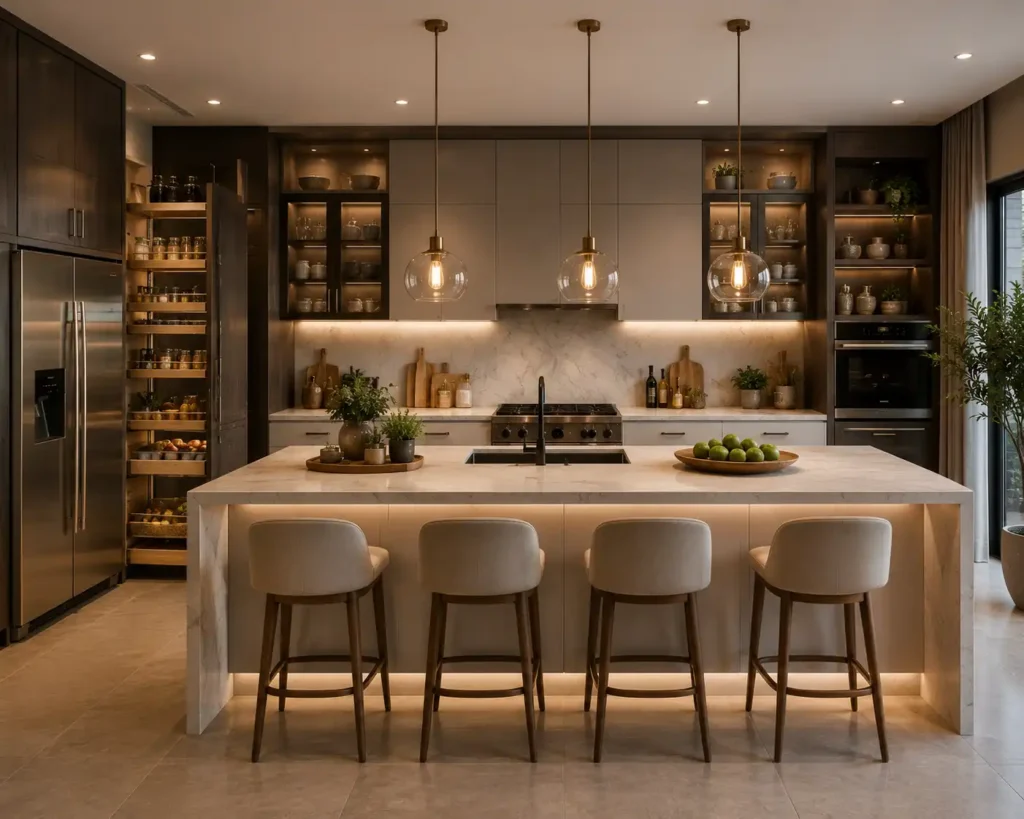
Kitchen
Modern kitchens combine functionality with clean aesthetics. Modern kitchens demonstrate how Home Decor and Design can seamlessly combine beauty, organization, and practicality.
Cabinets
Choose soft-close cabinets with organized storage systems.
Countertops
Quartz, granite, and marble remain popular for durability and elegance.
Storage
Utilize pull-out drawers, pantry organizers, corner units, and vertical shelving.
Lighting
Install task lighting under cabinets along with pendant lights above islands.
Decor Accessories
Wooden cutting boards, ceramic jars, indoor herbs, and stylish bar stools add personality.
Room-by-Room Home Decor Guide
Dining Room
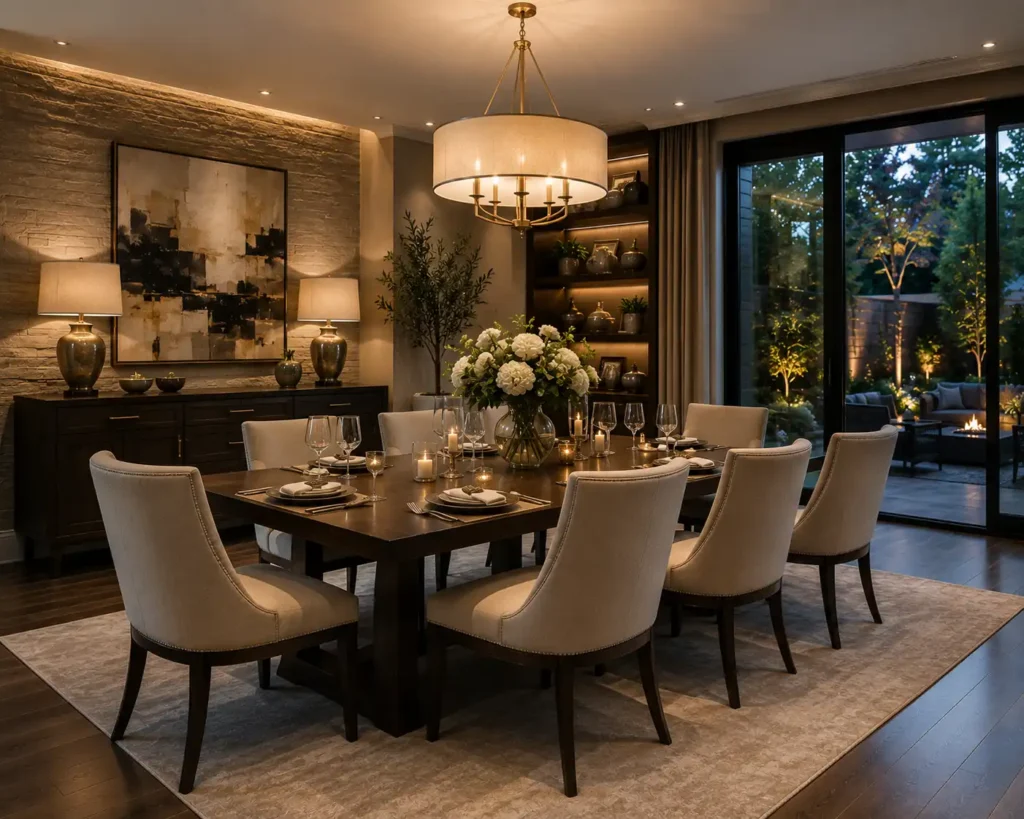
The dining room is more than a place to eat—it is where family gatherings, celebrations, and conversations take place. A well-designed dining area should feel inviting while remaining practical for everyday use. Elegant dining spaces are an essential part of Home Decor and Design, creating welcoming environments for family meals and entertaining guests.
Dining Tables
Choose a table that suits both your room size and family needs.
Popular options include:
- Solid wood dining tables
- Marble-top tables
- Glass dining tables
- Extendable dining tables
- Round pedestal tables
Round tables work well in smaller rooms, while rectangular tables complement larger spaces.
Chairs
Comfort is just as important as style.
Consider:
- Upholstered dining chairs
- Wooden chairs
- Metal-framed chairs
- Bench seating
- Mixed chair designs for a contemporary look
Lighting
A statement chandelier or pendant light positioned above the dining table creates a focal point and enhances the overall ambiance.
Centerpieces
Simple centerpieces create elegance without overwhelming the table.
Ideas include:
- Fresh flowers
- Decorative bowls
- Candles
- Ceramic vases
- Seasonal arrangements
Rugs
A large area rug defines the dining space while adding warmth and texture.
Bathroom
Modern bathrooms focus on relaxation, organization, and easy maintenance. Smart Home Decor and Design choices can transform ordinary bathrooms into spa-inspired retreats.
Mirrors
Large mirrors increase the feeling of space while reflecting natural light.
Popular options include:
- Round mirrors
- LED mirrors
- Frameless mirrors
- Wood-framed mirrors
Storage
Floating vanities, recessed shelves, and mirror cabinets maximize storage without occupying valuable floor space.
Fixtures
Choose coordinated finishes such as:
- Matte black
- Brushed gold
- Chrome
- Brushed nickel
Colors
Soft neutrals, white, beige, grey, and light green create calming environments.
Accessories
Complete the space with:
- Cotton towels
- Soap dispensers
- Wooden trays
- Indoor plants
- Woven baskets

Home Office
With remote work becoming increasingly common, a productive home office is essential. Productive workspaces begin with thoughtful Home Decor and Design that prioritizes comfort and organization.
Desk Selection
Choose a desk with sufficient workspace while maintaining room circulation.
Ergonomic Furniture
Invest in:
- Adjustable office chairs
- Monitor stands
- Footrests
- Keyboard trays
Lighting
Position desks near windows while supplementing with task lamps for evening work.
Organization
Floating shelves, filing cabinets, cable organizers, and desk accessories maintain clutter-free workspaces.
Kids Room
Children’s rooms should combine creativity, storage, and safety. Safe, creative, and organized spaces are the foundation of successful Home Decor and Design for children’s rooms.
Safety
Use rounded furniture corners, secure shelving, and non-slip rugs.
Storage
Include toy baskets, cube organizers, under-bed storage, and labeled containers.
Themes
Popular themes include:
- Nature
- Space
- Animals
- Adventure
- Minimal Scandinavian
Study Area
A dedicated study desk encourages productivity while separating learning from play.
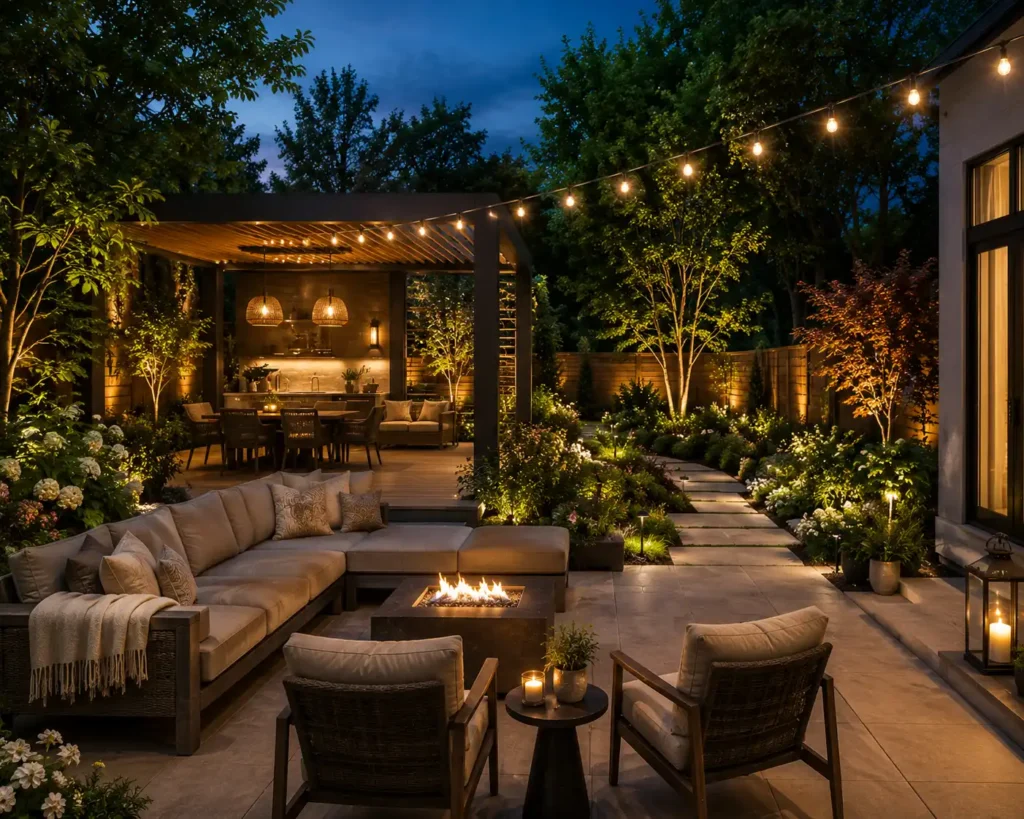
Outdoor Areas
Outdoor spaces extend the living area and create relaxing environments. Extending Home Decor and Design principles to patios, balconies, and gardens creates a seamless indoor-outdoor living experience.
Patio
Include comfortable seating, weather-resistant rugs, and outdoor lighting.
Balcony
Use foldable furniture, vertical gardens, and hanging planters to maximize limited space.
Garden
Create inviting landscapes with pathways, flower beds, outdoor seating, and decorative lighting.
Outdoor Furniture
Popular materials include:
- Teak wood
- Aluminum
- Synthetic wicker
- Powder-coated steel
Home Decor and Design Color Psychology
Colors influence emotions, productivity, relaxation, and the overall atmosphere of every room. Color psychology is an essential element of Home Decor and Design because different shades influence mood, productivity, relaxation, and overall atmosphere.
White
White represents cleanliness, simplicity, and openness.
Best for:
- Kitchens
- Bathrooms
- Small apartments
Blue
Blue creates calm and relaxation.
Best for:
- Bedrooms
- Home offices
- Bathrooms
Green
Green symbolizes nature, balance, and renewal.
Best for:
- Living rooms
- Bedrooms
- Reading corners
Yellow
Yellow introduces energy and optimism.
Best for:
- Kitchens
- Breakfast areas
- Children’s rooms
Orange
Orange creates warmth and encourages conversation.
Best for:
- Dining rooms
- Creative spaces
Red
Red increases energy and excitement.
Best used as an accent color rather than a dominant shade.
Black
Black adds sophistication and luxury when balanced with lighter tones.
Grey
Grey provides versatility and works well with nearly every decorating style.
Beige
Beige creates timeless warmth while complementing natural materials.
Earth Tones
Terracotta, olive, clay, sand, and warm brown colors dominate 2026 decorating trends.
Best Colors by Room
| Room | Recommended Colors |
|---|---|
| Living Room | Beige, Sage, Grey |
| Bedroom | Blue, Cream, Green |
| Kitchen | White, Soft Grey |
| Bathroom | White, Light Green |
| Dining Room | Warm Beige, Terracotta |
| Home Office | Blue, Grey |
| Kids Room | Soft Yellow, Mint |
Home Decor and Design Furniture Buying Guide
Furniture is one of the biggest investments in home design. Quality pieces provide comfort while lasting for many years. Choosing quality furniture is one of the biggest investments in Home Decor and Design, affecting both comfort and long-term functionality.
Living Room Furniture
Essential pieces include:
- Sofa
- Coffee table
- Accent chairs
- TV console
- Side tables
- Bookshelves
Prioritize comfort before appearance.
Bedroom Furniture
Core pieces include:
- Bed frame
- Mattress
- Nightstands
- Wardrobe
- Dresser
Investing in a high-quality mattress improves sleep quality and overall well-being.
Dining Furniture
Select dining sets based on family size while allowing comfortable movement around the table.
Office Furniture
Choose ergonomic chairs, spacious desks, storage cabinets, and adjustable monitor stands.
Outdoor Furniture
Weather-resistant materials ensure durability throughout changing seasons.
Furniture Materials
Solid Wood
Advantages
- Extremely durable
- Timeless appearance
- Can be refinished
Disadvantages
- Higher cost
- Heavy weight
Engineered Wood
Advantages
- Affordable
- Lightweight
- Uniform finish
Disadvantages
- Less durable than solid wood
MDF
Advantages
- Smooth surface
- Cost-effective
Disadvantages
- Sensitive to moisture
Glass
Advantages
- Modern appearance
- Reflects light
- Creates openness
Disadvantages
- Requires frequent cleaning
Metal
Advantages
- Durable
- Industrial aesthetic
- Low maintenance
Disadvantages
- Can feel cold without soft textures
Marble
Advantages
- Luxury appearance
- Heat resistant
- Timeless elegance
Disadvantages
- Expensive
- Requires sealing

Upholstery
Popular choices include:
- Linen
- Cotton
- Velvet
- Leather
- Bouclé fabric
Furniture Material Comparison
| Material | Durability | Cost | Maintenance |
| Solid Wood | Excellent | High | Medium |
| Engineered Wood | Good | Medium | Low |
| MDF | Average | Low | Low |
| Glass | Good | Medium | High |
| Metal | Excellent | Medium | Low |
| Marble | Excellent | High | Medium |
| Upholstery | Depends on Fabric | Medium | Medium |
Home Decor and Design Lighting Guide
Lighting transforms the mood and functionality of every room. Lighting is one of the most powerful elements of Home Decor and Design, enhancing architecture while creating warmth and visual depth.
Ambient Lighting
Provides general illumination throughout the room.
Examples:
- Ceiling lights
- Chandeliers
- Recessed lighting
Task Lighting
Focused lighting for specific activities.
Examples:
- Desk lamps
- Reading lights
- Under-cabinet kitchen lights
Accent Lighting
Highlights artwork, shelves, architectural features, and decorative objects.
Examples:
- Wall sconces
- LED strips
- Spotlights
Decorative Lighting
Acts as functional art while enhancing aesthetics.
Examples:
- Sculptural pendants
- Crystal chandeliers
- Designer floor lamps
Lighting by Room
Lighting is one of the most powerful elements of Home Decor and Design, enhancing architecture while creating warmth and visual depth.
Bedroom
Warm bedside lamps, indirect LEDs, and dimmable ceiling fixtures create relaxing environments.
Living Room
Combine ambient, accent, and task lighting for flexibility throughout the day.
Kitchen
Bright task lighting combined with pendant lights improves both function and appearance.
Bathroom
LED mirrors and waterproof ceiling fixtures provide even illumination.
Dining Room
Statement chandeliers positioned directly above the table create visual balance.

Home Decor and Design Flooring Guide
Choosing the right flooring influences durability, comfort, and maintenance. Flooring forms the foundation of Home Decor and Design, influencing durability, maintenance, and the overall appearance of every room.
Hardwood
Pros
- Timeless
- Durable
- Increases home value
Cons
- Expensive
- Sensitive to moisture
Laminate
Pros
- Affordable
- Scratch resistant
Cons
- Cannot be refinished
Vinyl
Pros
- Waterproof
- Budget friendly
Cons
- Lower resale value
Marble
Pros
- Luxury appearance
Cons
- Expensive maintenance
Granite
Pros
- Extremely durable
Cons
- Heavy and costly
Tiles
Pros
- Water resistant
- Easy cleaning
Cons
- Hard underfoot
Carpet
Pros
- Comfortable
- Warm
Cons
- Requires regular cleaning
Bamboo
Pros
- Sustainable
- Attractive
Cons
- Sensitive to humidity
Flooring Comparison Table
| Flooring | Durability | Cost | Water Resistance |
| Hardwood | Excellent | High | Medium |
| Laminate | Good | Medium | Medium |
| Vinyl | Good | Low | Excellent |
| Marble | Excellent | High | Good |
| Granite | Excellent | High | Excellent |
| Tile | Excellent | Medium | Excellent |
| Carpet | Medium | Medium | Poor |
| Bamboo | Good | Medium | Medium |
Home Decor and Design Wall Decoration Guide
Walls are one of the largest visual elements in any room. Thoughtful wall decoration can completely transform an interior without requiring major renovations. Creative wall treatments add personality and dimension, making them an essential part of modern Home Decor and Design.
Paint
Paint is the simplest and most affordable way to refresh a home.
Popular 2026 paint colors include:
- Warm White
- Greige
- Sage Green
- Clay Beige
- Terracotta
- Soft Blue
- Olive Green
Matte finishes create a sophisticated look, while satin finishes are ideal for kitchens and bathrooms because they are easier to clean.
Wallpaper
Wallpaper adds depth, texture, and personality.
Popular options include:
- Botanical prints
- Geometric patterns
- Textured wallpaper
- Marble effects
- Linen-inspired finishes
Feature walls remain a popular choice for bedrooms and living rooms.
Wall Panels
Decorative wall panels create luxury interiors while adding texture.
Popular materials include:
- Wood slats
- PVC panels
- MDF panels
- Stone cladding
- Acoustic panels
These panels work especially well behind televisions and beds.

Gallery Walls
Gallery walls personalize a home by displaying artwork, family photos, and travel memories.
Tips for creating a gallery wall:
- Maintain consistent spacing
- Mix frame sizes
- Use a common color palette
- Plan the layout before hanging
Mirrors
Mirrors reflect natural light and make rooms appear larger.
Popular styles include:
- Round mirrors
- Arch mirrors
- Full-length mirrors
- Decorative gold frames
- Minimal black frames
Floating Shelves
Floating shelves provide both storage and decoration.
Display:
- Books
- Plants
- Candles
- Sculptures
- Picture frames
- Decorative objects
Artwork
Artwork should complement the room instead of overwhelming it.
Popular choices include:
- Abstract paintings
- Nature photography
- Black-and-white prints
- Canvas art
- Handmade pieces
Wall Molding
Wall molding adds timeless elegance and architectural interest.
Styles include:
- Wainscoting
- Picture frame molding
- Crown molding
- Modern square molding
Home Decor and Design Window Treatments
Window coverings influence privacy, lighting, and the overall appearance of a room. Curtains, blinds, and shades contribute significantly to Home Decor and Design by controlling light, privacy, and style.
Curtains
Floor-length curtains create height and softness.
Popular fabrics include:
- Linen
- Cotton
- Velvet
- Sheer voile
Blinds
Blinds provide precise light control while maintaining a clean appearance.
Common types:
- Venetian blinds
- Vertical blinds
- Wooden blinds

Shades
Roller shades and Roman shades combine functionality with minimal design.
Shutters
Interior shutters provide excellent durability while adding classic elegance.
Layered Curtains
Combining sheer curtains with blackout panels offers flexibility throughout the day.
Benefits include:
- Better insulation
- Enhanced privacy
- Improved light control
- Luxury appearance
Home Accessories Guide
Accessories complete a room and add personality without major renovations. Accessories complete Home Decor and Design by adding texture, color, personality, and finishing details to every room.
Rugs
Area rugs define spaces while adding warmth and texture.
Choose rugs that are proportional to the furniture arrangement.
Cushions
Mix different sizes, fabrics, and patterns for layered styling.
Popular fabrics:
- Linen
- Velvet
- Cotton
- Bouclé
Throws
Throws introduce comfort while adding seasonal texture.
Candles
Decorative candles create warmth and ambiance.
Popular scents:
- Vanilla
- Sandalwood
- Lavender
- Citrus
Indoor Plants
Plants improve air quality while adding natural beauty.
Popular options:
- Snake Plant
- Monstera
- Pothos
- ZZ Plant
- Peace Lily
Vases
Ceramic, glass, and stone vases create elegant focal points on shelves and tables.
Clocks
Large statement clocks combine function with decoration.
Sculptures
Small sculptures introduce artistic interest and visual balance.
Decorative Trays
Decorative trays organize candles, perfumes, books, and accessories while creating styled surfaces.
Coffee Table Books
Books add sophistication while reflecting personal interests.

Home Decor and Design Every Budget
Beautiful interiors do not always require expensive renovations. Beautiful Home Decor and Design does not require unlimited spending; thoughtful planning and strategic purchases can transform any home.
Decor Under $100
Affordable improvements include:
- New cushions
- Indoor plants
- Wall art
- Candles
- Mirrors
- Throws
- Decorative baskets
Decor Under $500
Consider:
- Area rugs
- Accent chairs
- Pendant lighting
- Coffee tables
- Floating shelves
- Window treatments
Luxury Makeover
Premium upgrades include:
- Marble surfaces
- Custom cabinetry
- Designer furniture
- Built-in storage
- Hardwood flooring
- Smart home integration
DIY Home Decor Ideas
Budget-friendly projects include:
- Painting furniture
- Creating gallery walls
- Building floating shelves
- Making decorative planters
- Updating cabinet hardware
Rental-Friendly Decor
Non-permanent solutions include:
- Peel-and-stick wallpaper
- Removable hooks
- Area rugs
- Freestanding shelves
- Temporary backsplash panels
Smart Home Design Trends
Technology is becoming an essential component of modern interiors. Technology is redefining Home Decor and Design, making homes smarter, safer, and more energy efficient.
Smart Lighting
Control brightness and color temperature using mobile apps or voice commands.
Smart Locks
Keyless entry improves convenience and security.
Smart Curtains
Motorized curtains automatically adjust throughout the day.
Voice Assistants
Voice-controlled systems manage lighting, music, security, and appliances.
Smart Security Systems
Modern systems include:
- Video doorbells
- Motion sensors
- Smart cameras
- Mobile monitoring
Energy-Efficient Homes
Smart thermostats and LED lighting reduce electricity consumption while improving comfort.
Sustainable Home Decor and Design
Sustainability continues to shape home design in 2026. Sustainable Home Decor and Design focuses on eco-friendly materials, energy efficiency, and timeless furniture choices that reduce environmental impact.
Eco-Friendly Materials
Choose renewable and recyclable materials whenever possible.
Examples include:
- Cork
- Bamboo
- Recycled wood
- Natural stone
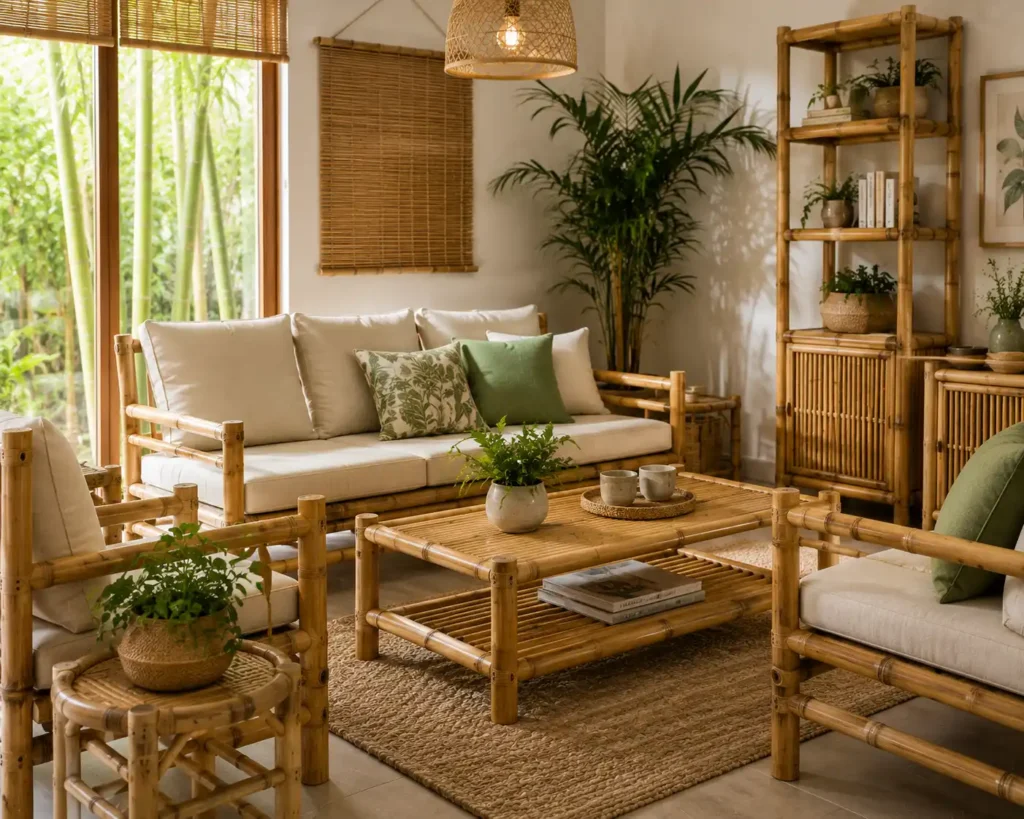
Bamboo Furniture
Bamboo grows quickly and provides an environmentally friendly alternative to hardwood.
Recycled Furniture
Vintage and refurbished furniture reduce waste while adding character.
Natural Fabrics
Choose:
- Linen
- Cotton
- Hemp
- Wool
instead of synthetic materials whenever possible.
Indoor Plants
Plants naturally improve indoor environments while introducing color and texture.
Energy Saving Tips
- Use LED lighting
- Maximize natural light
- Install smart thermostats
- Improve insulation
- Choose energy-efficient appliances
Seasonal Home Decor and Design Ideas
Refreshing interiors throughout the year keeps spaces feeling inviting. Refreshing your Home Decor and Design with seasonal accessories keeps interiors feeling stylish and inviting throughout the year.
Spring
Decorate with:
- Fresh flowers
- Pastel colors
- Light fabrics
- Botanical prints
Summer
Introduce:
- Linen cushions
- Coastal accessories
- Woven baskets
- Bright natural light
Autumn
Layer interiors with:
- Terracotta accents
- Warm throws
- Wooden décor
- Earth-tone cushions
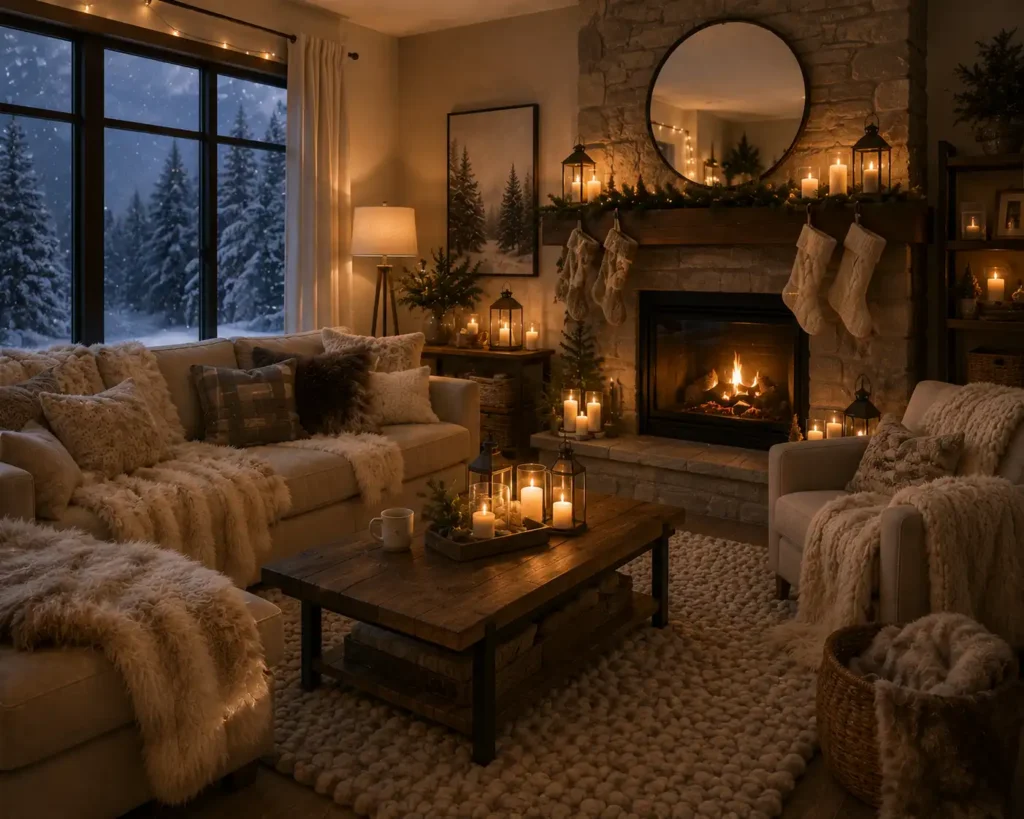
Winter
Add warmth through:
- Faux fur throws
- Wool rugs
- Candles
- Soft lighting
Christmas
Popular decorations include:
- Green garlands
- Warm fairy lights
- Wooden ornaments
- Neutral trees
- Gold accents
Halloween
Decorate with:
- Pumpkins
- Lanterns
- Autumn leaves
- Black candles
New Year
Metallic decorations, candles, mirrors, and fresh flowers create festive elegance.
Thanksgiving
Natural centerpieces, woven textures, and warm colors complement seasonal gatherings.
Common Decorating Mistakes
Even beautiful furniture cannot compensate for poor planning. Avoiding common mistakes is essential for achieving balanced and professional Home Decor and Design results.
Wrong Rug Size
Small rugs make rooms appear disconnected.
Too Much Furniture
Overcrowded spaces reduce comfort and restrict movement.
Poor Lighting
Relying on a single ceiling light creates flat interiors.
Layer lighting instead.
Ignoring Scale
Oversized furniture overwhelms compact spaces while tiny furniture disappears inside large rooms.
Bad Color Choices
Using too many bold colors creates visual chaos.
No Focal Point
Every room should feature one primary visual attraction.
Clutter
Too many accessories reduce elegance and functionality.
Lack of Storage
Insufficient storage quickly leads to disorganization.
Latest Home Decor and Design Trends (2026)
The latest Home Decor and Design trends emphasize natural materials, curved furniture, wellness spaces, hidden storage, and earth-tone color palettes.
Earth Tone Interiors
Warm beige, clay, olive, sand, and terracotta dominate color palettes.
Curved Furniture
Rounded sofas and organic tables soften modern interiors.
Mixed Materials
Wood, marble, glass, and metal are increasingly combined.
Organic Design
Natural textures and flowing shapes create calming environments.
Textured Walls
Wood slats, limewash paint, and decorative panels add depth.

Hidden Storage
Built-in storage maintains minimalist aesthetics.
Smart Homes
Technology continues integrating seamlessly into interior design.
Wellness Spaces
Meditation corners, reading nooks, indoor gardens, and spa-inspired bathrooms are becoming essential features.
Frequently Asked Questions
Interior design focuses on planning and functionality, while home decor enhances appearance through furniture and accessories.
Start with paint, lighting, textiles, plants, and affordable accessories before investing in larger furniture.
Start with paint, lighting, textiles, plants, and affordable accessories before investing in larger furniture.
The best style is one that matches your lifestyle, preferences, and available space.
Minor updates every season and major refreshes every 5–7 years keep interiors current.
Modern, Scandinavian, Japandi, and Traditional styles remain timeless.
60% primary color, 30% secondary color, and 10% accent color create balanced interiors.
Layered ambient, task, and accent lighting offers the greatest flexibility.
Select multifunctional furniture with exposed legs and built-in storage.
Earth tones, curved furniture, sustainable materials, textured walls, and smart home technology.
Expert Home Decor and Design Tips from Interior Designers
Professional Home Decor and Design experts recommend planning carefully, investing in timeless furniture, and layering textures for long-lasting interiors.
Plan Before Purchasing
Measure every room and create a layout before buying furniture.
Invest in Timeless Furniture
Quality sofas, beds, and dining tables provide long-term value.
Layer Different Textures
Mix linen, wood, metal, marble, and woven materials to create depth.
Mix Old and New Pieces
Combining vintage and contemporary furniture creates unique interiors.
Use Natural Light Effectively
Keep windows unobstructed and use mirrors to reflect daylight.
Create Strong Focal Points
Every room should feature one statement element that draws attention.
Add Personality Through Accessories
Books, artwork, travel souvenirs, plants, and handcrafted pieces make a home truly personal.
Final Thoughts
Beautiful Home Decor and Design is about balancing functionality, comfort, and personal style rather than following every trend. Whether you prefer minimalist simplicity, Scandinavian warmth, luxurious elegance, or eclectic creativity, thoughtful planning will always produce better results than impulse decorating.
By understanding design principles, choosing quality furniture, using balanced color palettes, layering textures, maximizing natural light, and incorporating sustainable materials, homeowners can create interiors that remain timeless and practical for years to come.
The best homes are not the most expensive—they are the ones that reflect the people who live in them while providing comfort, organization, and a welcoming atmosphere every day.

