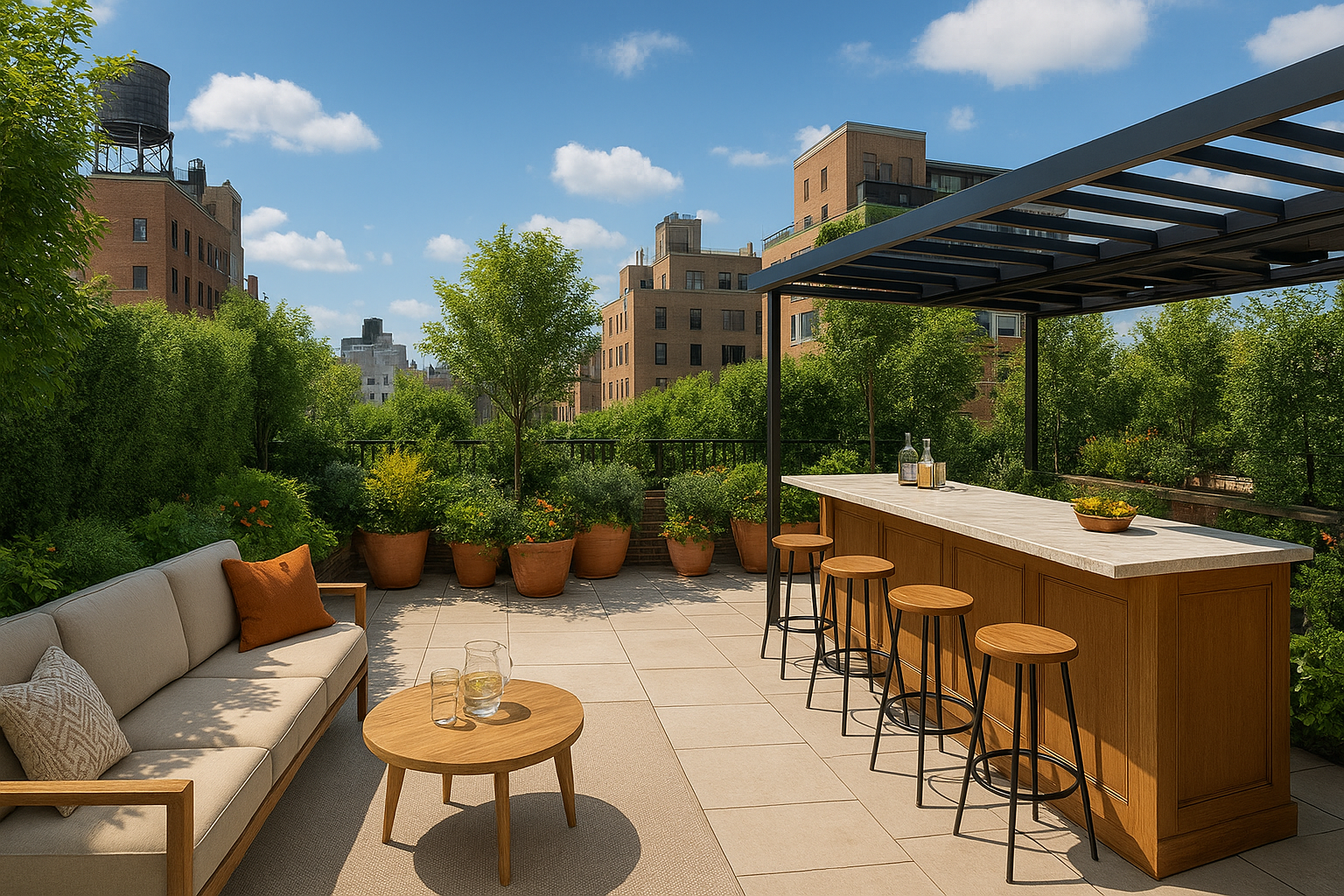
A simple low cost home design does not mean compromising on beauty, style, or comfort. In today’s world, homeowners are searching for ways to build houses that are affordable yet elegant, modern yet practical. Rising construction expenses, shrinking plot sizes, and the enormous variety of material options have encouraged families to rethink how homes can be built smartly without overspending. Surprisingly, many stylish homes around the world follow simple principles—clean layouts, thoughtful space planning, functional furniture, and clever material selection. This article explores how a home can be both budget-friendly and visually stunning, proving that affordability and luxury can coexist.
Whether you are building your first home, constructing in a village, designing a compact urban house, or simply renovating, a well-planned simple low cost home design gives you the freedom to stay within budget while achieving a modern aesthetic. By understanding how to optimize materials, layouts, lighting, and interiors, you create a home that feels spacious, vibrant, and meaningful—even with minimal investment.
Why Today’s Homeowners Prefer Simple Designs
Modern families across India and the world are increasingly drawn towards simplicity in architecture. Clean lines, clutter-free rooms, and functional design help create homes that feel calm, organized, and elegant. Most importantly, simple designs avoid unnecessary architectural complications—saving money in both construction and maintenance.
A simple low cost home design focuses on:
- Straight walls and basic shapes
- Natural ventilation
- Low-maintenance materials
- Smart multi-purpose spaces
- Minimal structural wastage
Such principles reduce the overall cost compared to ornamental or highly customized designs. You not only spend less during the build but also save on future repairs, painting, and upkeep.
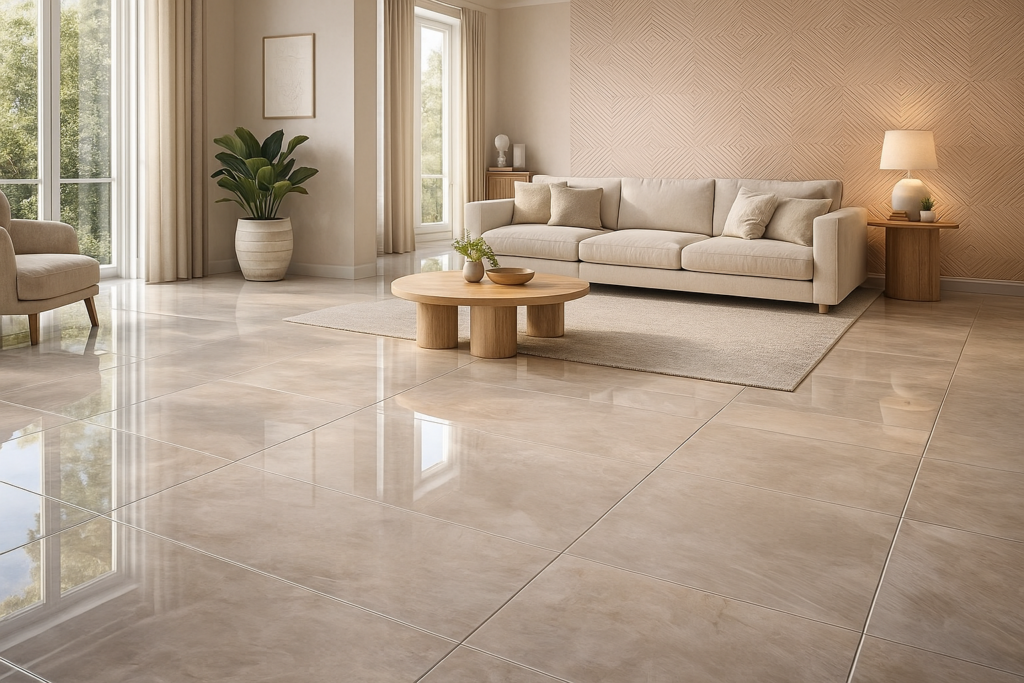
Core Principles of Simple Low Cost Home Design
Before going into materials, styles, or interiors, it’s essential to understand the foundation of cost-friendly architecture. A simple low cost home design is built around a few essential principles that ensure both affordability and style.
1. Build Smart, Not Big
One of the biggest misconceptions is that a beautiful home must be large. In reality, even a 500–1000 sq ft house can look modern and luxurious if designed thoughtfully. Compact living is the future—and small homes are easier to clean, cool, decorate, and maintain.
To apply this principle:
- Use open-plan layouts to make the home look bigger.
- Merge living and dining areas.
- Reduce unnecessary corridors.
- Use sliding doors instead of swing doors in tight areas.
An efficiently planned simple low cost home design ensures that every square foot is utilized.
2. Choose Materials That Balance Cost & Quality
Materials form a major portion of your construction budget. But choosing cheap materials blindly can result in poor durability. The best strategy is cost-effective, not cheap materials.
Some smart choices include:
- Fly ash bricks instead of clay bricks
- Vitrified tiles instead of marble
- Cement-based paints instead of expensive branded paints
- Modular kitchen units instead of custom carpentry
- UPVC windows instead of hardwood frames
These materials offer durability and a clean look at a lower cost. Incorporating them into a simple low cost home design ensures a long-lasting and modern appearance.
3. Use Natural Light as Your Main Design Element
Sunlight is free—and it is one of the best design tools available. Homes that rely heavily on natural light appear larger, feel fresher, and look more beautiful.
Strategies include:
- Large windows facing north or east
- Ventilator windows above door frames
- Skylights in passages or staircases
- Light-colored interiors that bounce sunlight
When planned well, natural light becomes an automatic part of the simple low cost home design strategy, reducing the need for artificial lighting during the day.
4. Prioritize Ventilation Over Decor
Good ventilation keeps a home cool in summer, reduces dampness, and prevents frequent repainting. It also improves health by reducing dust and indoor pollutants.
To enhance ventilation:
- Align windows opposite each other to create cross-ventilation
- Keep the central living area open
- Use ventilated wall blocks in semi-outdoor spaces
- Plan the home according to the direction of prevailing wind
A naturally ventilated home remains fresh, reducing the need for expensive air-conditioning. This is a key benefit of a simple low cost home design.
5. Keep the Floor Plan Clean and Linear
The more complex the floor plan, the higher the construction cost. Curved walls, projections, unnecessary beams, and decorative structures increase material usage and labor time.
Instead:
- Stick to rectangular or square rooms
- Avoid irregular geometries
- Use continuous walls
- Keep the roof design simple
This approach lowers the cost of formwork, plastering, and finishing. A linear layout also aligns perfectly with the philosophy of a simple low cost home design.
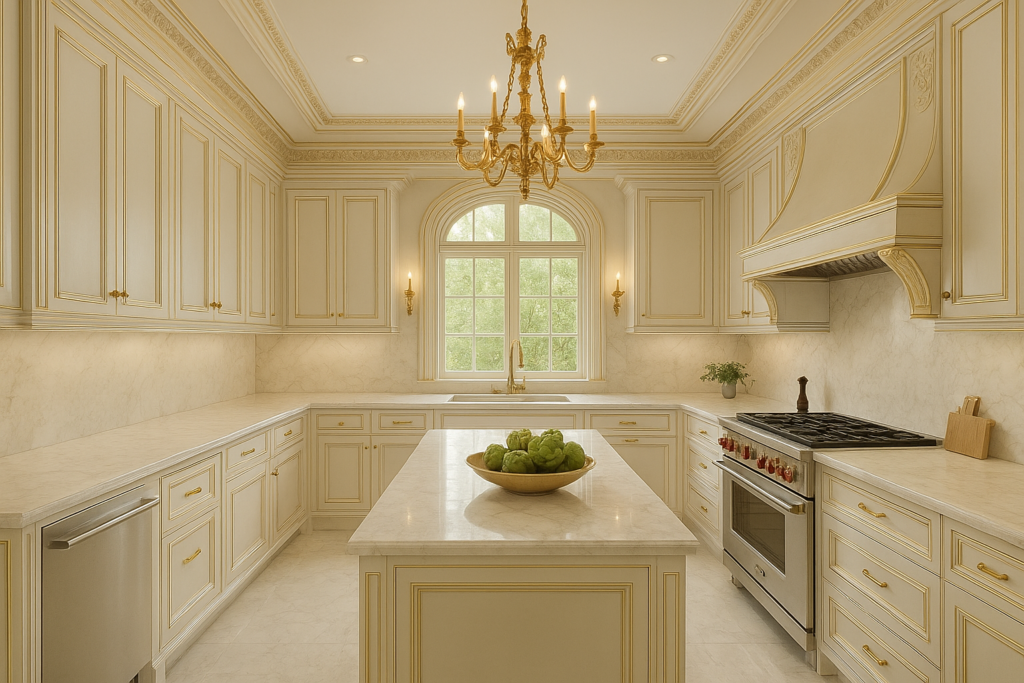
Designing the Exterior: Beauty Without Expensive Elements
A home’s exterior creates the first impression, and many people assume that a stylish exterior requires expensive materials like stone cladding, teakwood doors, or intricate grills. But in reality, a simple low cost home design can achieve a modern and elegant façade with budget-friendly choices.
1. Choose Straight, Clean Elevations
Straight lines always look modern and are much cheaper to construct than curved or ornamental shapes. A clean rectangular elevation:
- reduces construction complexity
- needs less plaster
- gives a neat, minimalist modern look
Keeping the shape simple saves on both materials and labor.
2. Use Affordable Finishes
Instead of costly exterior stone or tiles, choose:
- texture paint
- cement plaster with grooves
- exposed brick (only on small portions)
- simple white or pastel-colored washing
These finishes give a fresh, contemporary look while keeping costs low.
3. Add Depth Using Projections
One of the smartest ways to create a premium look in a simple low cost home design is using small horizontal or vertical projections. These features:
- add shadow play
- create a designer feel
- are inexpensive to build
Even a small 6–8 inch projection can completely change the character of the home.
4. Use a Flat Roof Where Possible
Flat roofs are:
- simple
- easy to build
- suitable for future expansion
- great for terrace gardens
- cheaper than sloped roofs
In tropical climates, adding a cool roof paint or white reflective coat helps keep the house cooler.
5. Add Simple Railings and Planters
A few linear railings, balcony planters, or a vertical garden panel can instantly uplift the façade without spending much. When placed strategically, greenery becomes an essential part of a simple low cost home design.
Interior Design Ideas for Stylish Yet Affordable Living
Interior design is where people often overspend unnecessarily. But with thoughtful planning, you can make interiors look luxurious without high expenses.
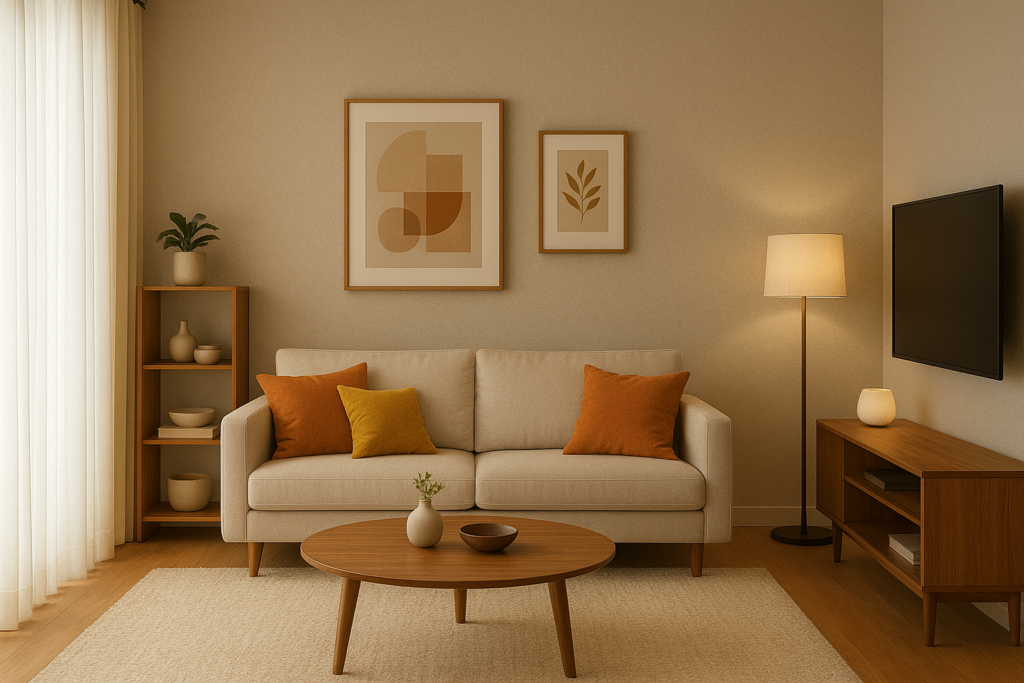
1. Walls: Keep Them Light & Fresh
Use light colors such as white, cream, beige, light grey, or pastel shades. Light walls:
- make rooms look bigger
- reflect natural light
- reduce the need for expensive décor
- work with almost any furniture
You can add one budget-friendly accent wall using:
- textured paint
- stencils
- wallpaper
- wood laminate panels
This keeps the interior modern without heavy investment.
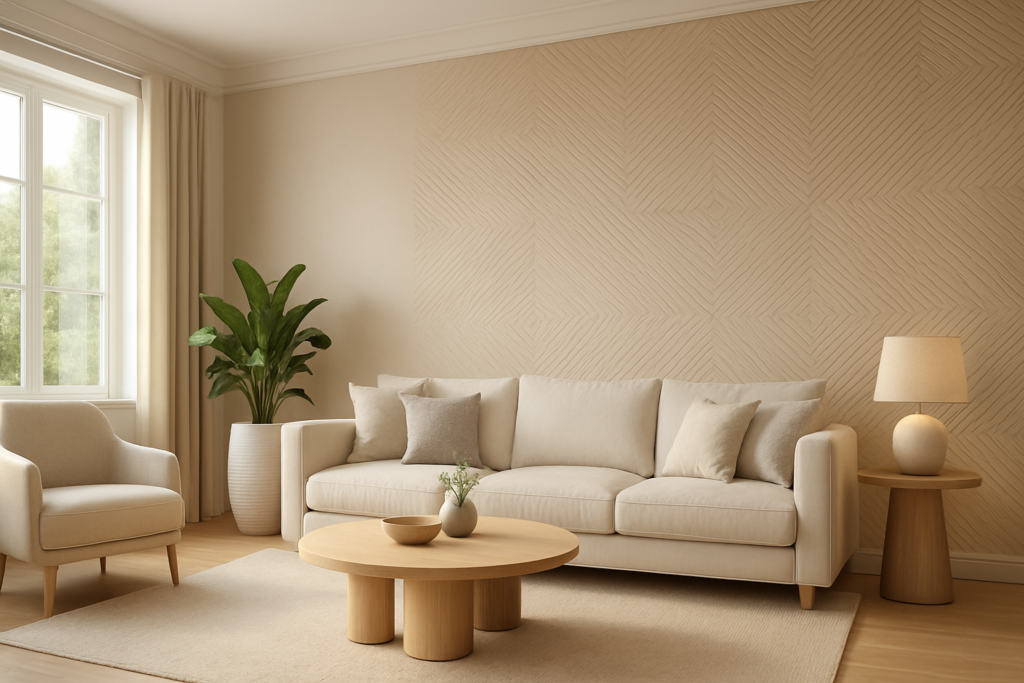
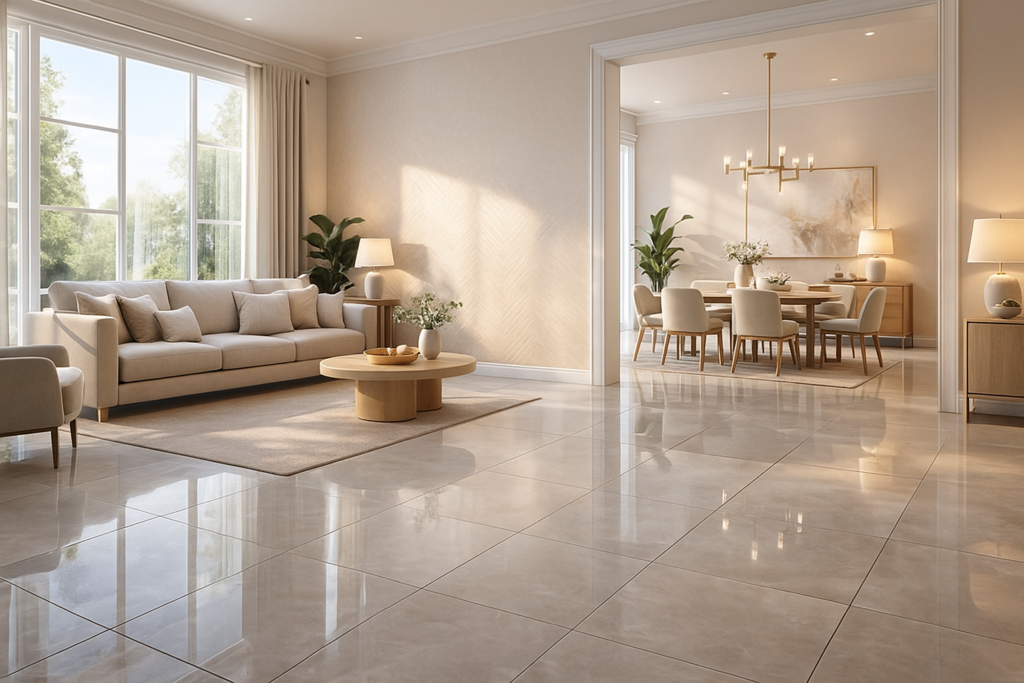
2. Flooring: Go for Vitrified or Ceramic Tiles
Marble or wooden flooring can drastically increase the cost. Instead, premium vitrified tiles offer:
- scratch resistance
- glossy or matte finishes
- long life
- low cost
- a modern appearance
Choose 2×2 ft or 2×4 ft tiles for a spacious feel.
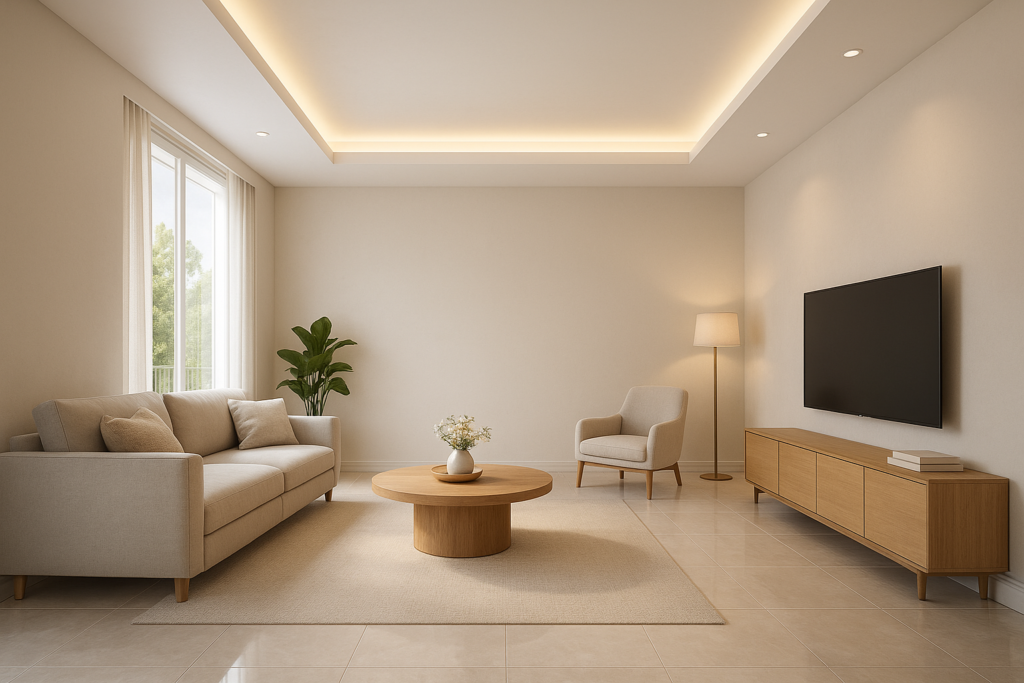
3. Ceiling: Use Minimal False Ceiling
A minimal false ceiling around the edges helps hide wiring and gives a refined look. Avoid full false ceilings in every room unless necessary.
Budget-friendly ceiling strategies:
- simple LED cove lighting
- small gypsum border designs
- plain POP finish
This supports the philosophy of a simple low cost home design—beauty without complexity.
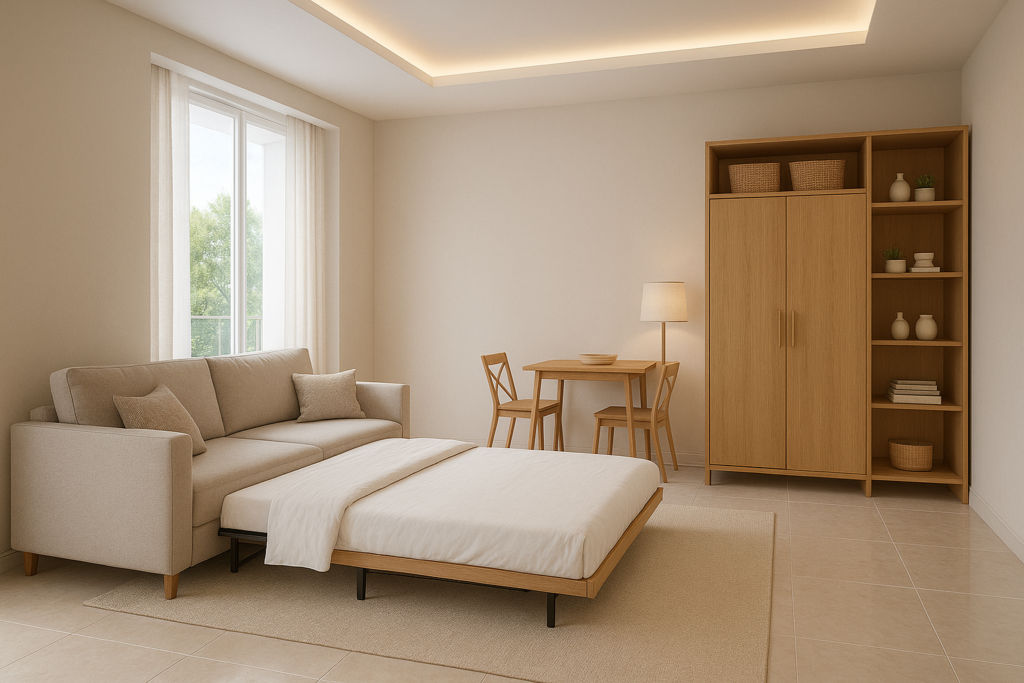
4. Furniture: Choose Functional, Multi-Purpose Pieces
Instead of bulky furniture, use compact, modular pieces:
- Sofa-cum-bed for guests
- Folding dining table
- Wardrobes with overhead storage
- Beds with pull-out drawers
- Open shelves instead of closed cabinets
Such furniture reduces clutter and enhances usability.
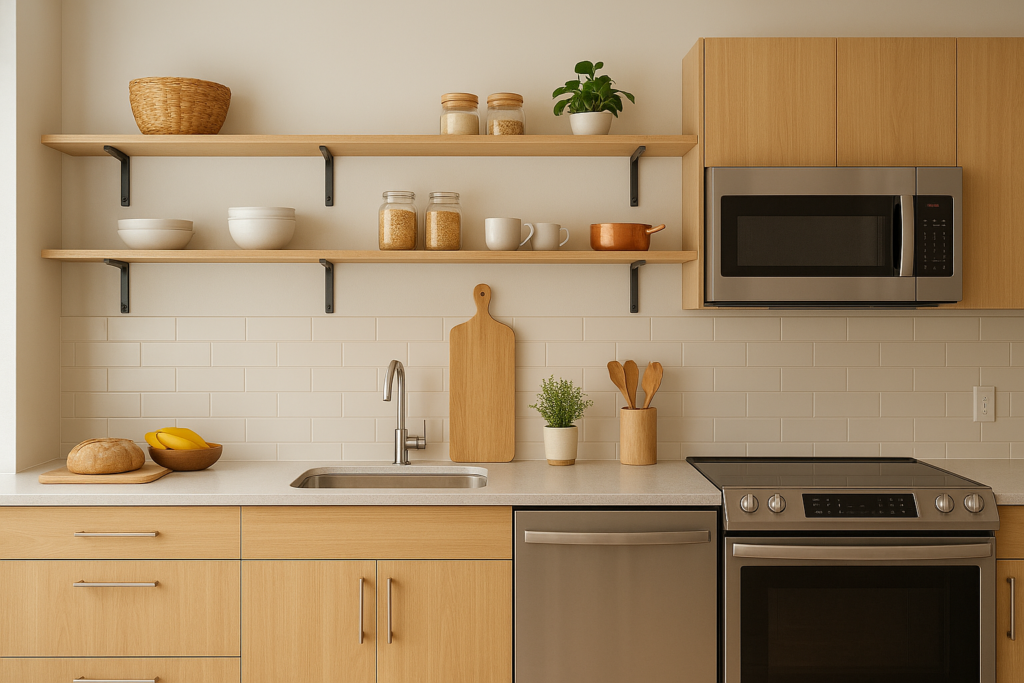
5. Open Shelving Instead of Heavy Cabinets
Open shelves in kitchens, living rooms, and bathrooms reduce woodwork costs and create an airy feel. You can use MDF, laminate, or metal brackets to keep it inexpensive.
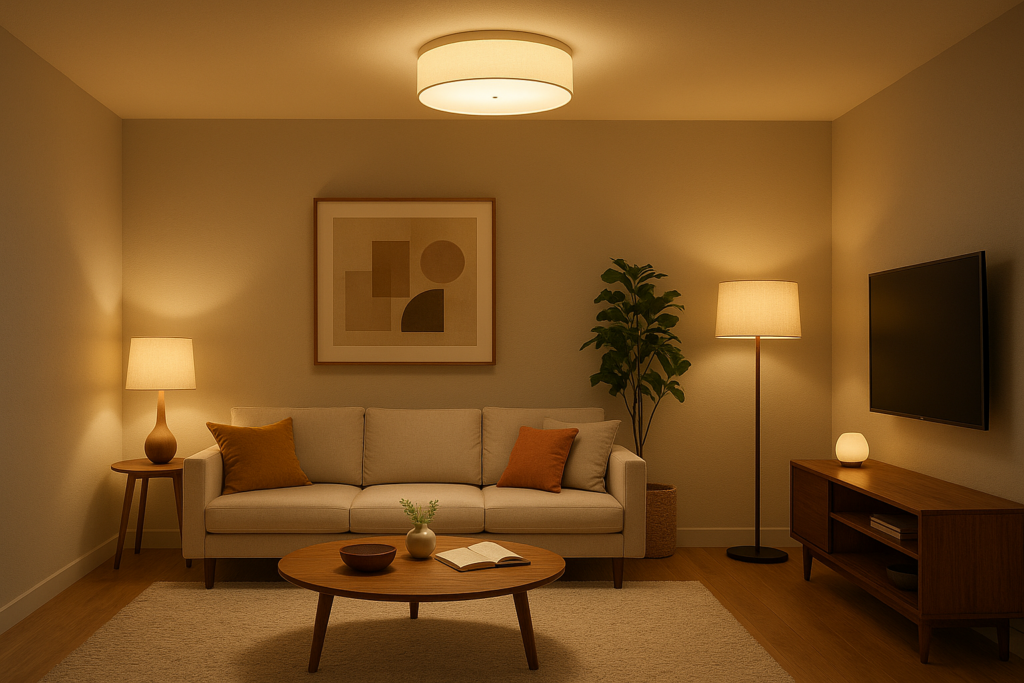
6. Lighting: Use a Layered Approach
Good lighting adds luxury to any interior.
Use three layers:
- Ambient lighting – main ceiling light
- Task lighting – kitchen counter, study table
- Accent lighting – wall décor, shelves
Warm white lights give a premium and cozy atmosphere.
Room-by-Room Planning for a Simple Low Cost Home Design
Below is a complete room-wise strategy to ensure the home remains modern, functional, and budget-friendly.
Room-by-Room Planning for a Simple Low Cost Home Design
Below is a complete room-wise strategy to ensure the home remains modern, functional, and budget-friendly.
1. Kitchen
Kitchens often become expensive due to custom carpentry. Instead:
- Choose modular kitchen units
- Use laminate for shutters
- Go for a granite countertop (affordable and durable)
- Install open shelves for spices and everyday items
- Use light colors to make the space look bigger
This approach gives you a stylish kitchen without a high budget.
2. Bedrooms
Bedrooms should feel peaceful. Avoid heavy décor.
Use:
- a simple bed with storage
- two bedside shelves
- a wardrobe with sliding doors
- light-colored curtains
- minimal false ceiling
Avoid over-decorating. A calm bedroom supports the essence of a simple low cost home design.
3. Bathrooms
Bathroom design can be both modern and inexpensive.
Tips:
- Use anti-skid ceramic tiles
- Add a small partition for dry and wet zones
- Use simple wall-mounted storage
- Choose chrome finish fittings
A clean, basic layout improves hygiene and reduces long-term maintenance.
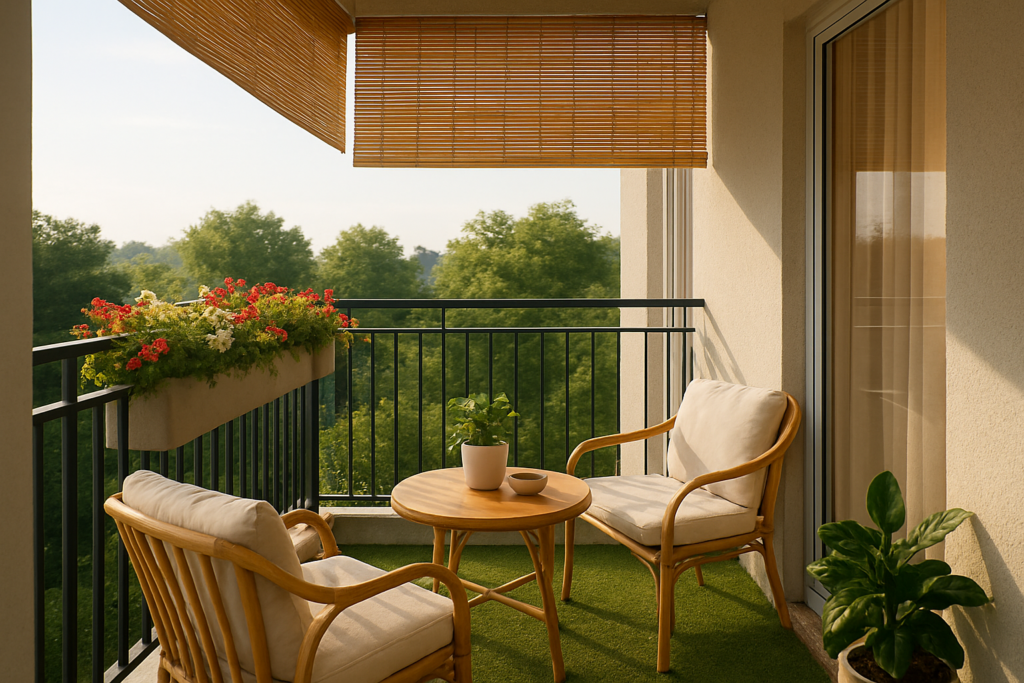
4. Balcony / Outdoor Spaces
Balcony design is often ignored, but it can become a relaxing corner.
Budget-friendly ideas:
- railing planters
- grass carpet
- bamboo blinds
- a small two-seater chair set
Even a compact balcony can add charm to a simple low cost home design.
Cost-Saving Construction Strategies
Below are proven ways to control construction expenses without affecting quality.
1. Build in Phases
If the budget is tight, build the structural part first and complete interiors later. This avoids loans and reduces financial pressure.
2. Use Standard Dimensions
Avoid odd sizes for windows, doors, and tiles. Standard sizes reduce wastage and cost.
3. Minimize Wood Usage
Wood is expensive. Instead, use:
- UPVC windows
- steel railings
- laminate or veneer panels
4. Reduce Wall Thickness Where Possible
Instead of 9-inch walls everywhere, use 4-inch walls for internal partitions. This reduces costs significantly without affecting safety.
5. Avoid Unnecessary Beams and Columns
A simple structural design is cheaper and easier to build.
6. Keep Plumbing Points Fixed
Avoid changing layouts after construction begins. Moving plumbing points increases cost and labor time.
Practical Layout Examples for Stylish, Budget-Friendly Homes
A modern home doesn’t require a complex architectural plan. Below are some thoughtfully crafted layout ideas that maximize space, comfort, and functionality while keeping costs controlled. These layouts work beautifully for families in urban areas, semi-urban zones, and villages alike.
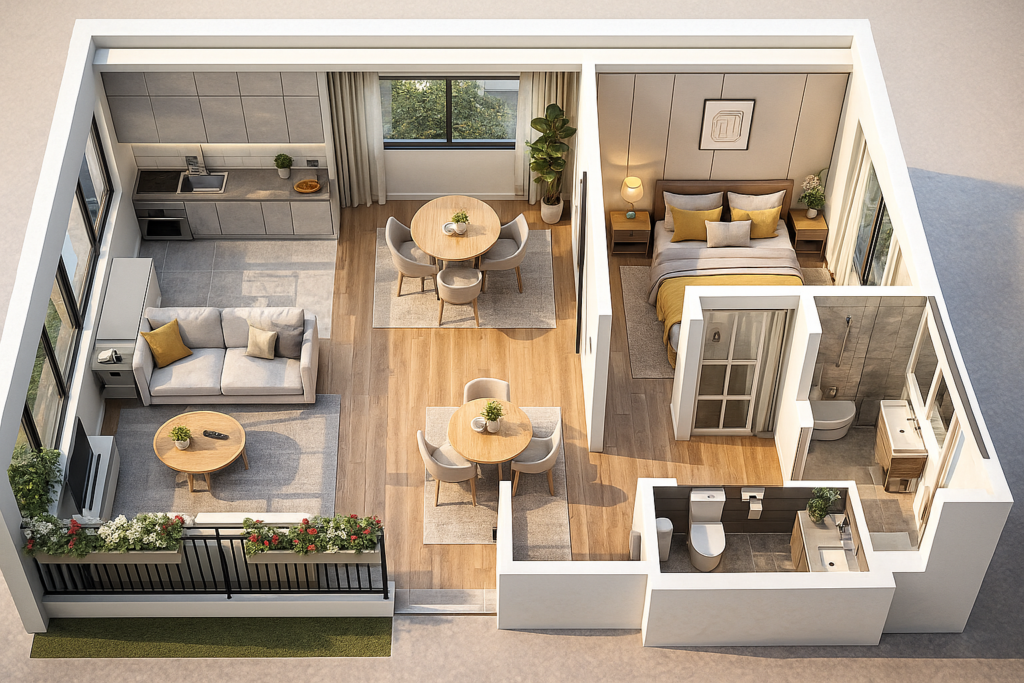
1. 1BHK Compact Layout (450–650 sq ft)
A well-planned 1BHK home can feel surprisingly spacious:
- Open living + dining space
- A linear kitchen placed either along one wall or at the end of the living room
- Bedroom with wardrobe niche
- Common bathroom
- One balcony attached to the living room
Why this layout works:
It eliminates unnecessary passage areas, uses walls efficiently, and allows furniture to be placed neatly. The open layout also makes a small home appear airy and inviting.
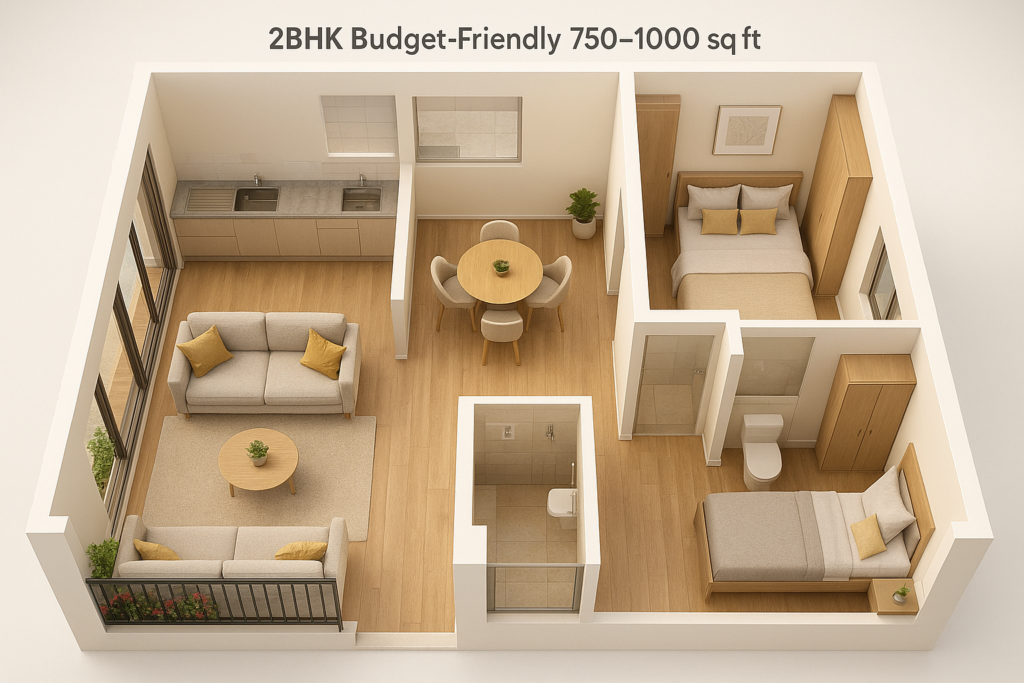
2. 2BHK Budget-Friendly Layout (750–1000 sq ft)
A popular choice for couples and small families:
- Living + dining combined
- Kitchen with a small utility area
- Master bedroom with attached bathroom
- Common kids’/guest bedroom
- Balcony accessible from either the bedroom or living area
Why this layout works:
It keeps all plumbing points in one vertical line, reducing plumbing and material costs. It also ensures every room gets natural light, reducing dependence on artificial lighting.
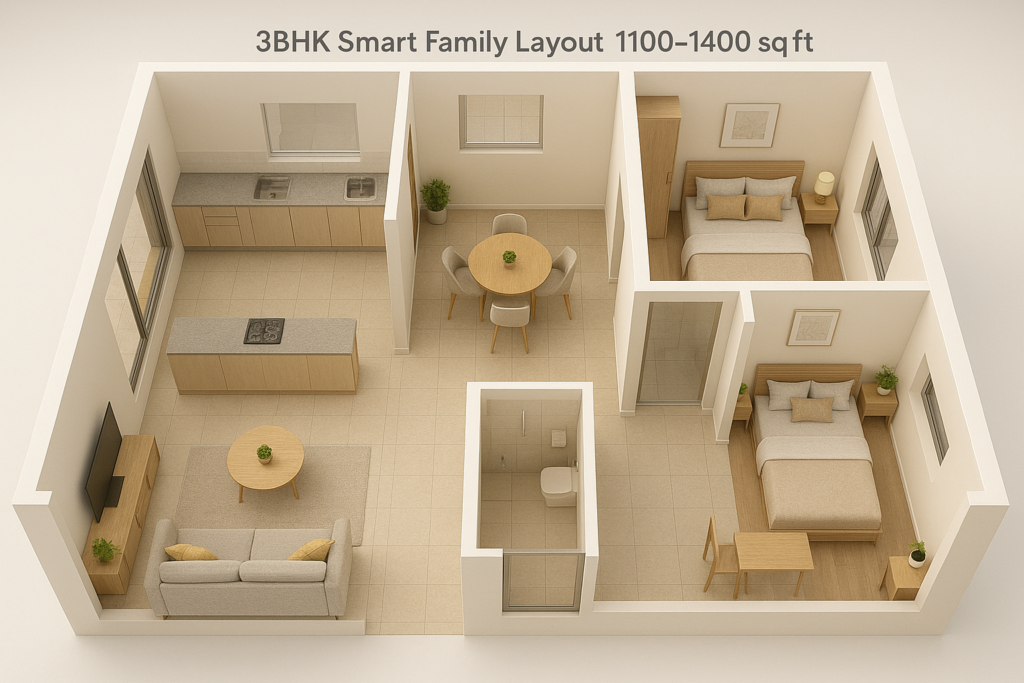
3. 3BHK Smart Family Layout (1100–1400 sq ft)
This caters to medium families requiring comfort and extra space:
- Spacious living-dining combo
- One master bedroom with attached bathroom
- Two regular bedrooms with shared bathroom
- Kitchen with a small store or utility
- Central lobby connecting rooms
- Optional pooja niche in the living area
Why this layout works:
It avoids long corridors, uses a symmetrical grid, and places all heavy-use areas near each other. This makes construction simpler and interiors easier to plan.
Color Combinations That Look Modern but Cost Less
Color has the power to transform a home completely. When used wisely, even basic paints can create a luxurious atmosphere.
1. All-White With Wood Accents
- White walls
- Wooden laminates for furniture
- Beige or tan soft furnishings
This combination feels airy, modern, and premium without expensive décor.
2. Warm Greys With Soft Pastels
- Grey walls
- Light pink, mint, or sky-blue accents
- White ceiling
Perfect for compact homes that want a calm and elegant look.
3. Earthy Naturals
- Terracotta tones
- Creams
- Warm browns
- Olive green
These work beautifully for village or semi-urban homes seeking a warm, aesthetic feel.
Storage Hacks That Save Money & Space
Storage solutions often define the usability of a home. Instead of expensive built-ins, these smarter alternatives help maintain order without increasing cost.
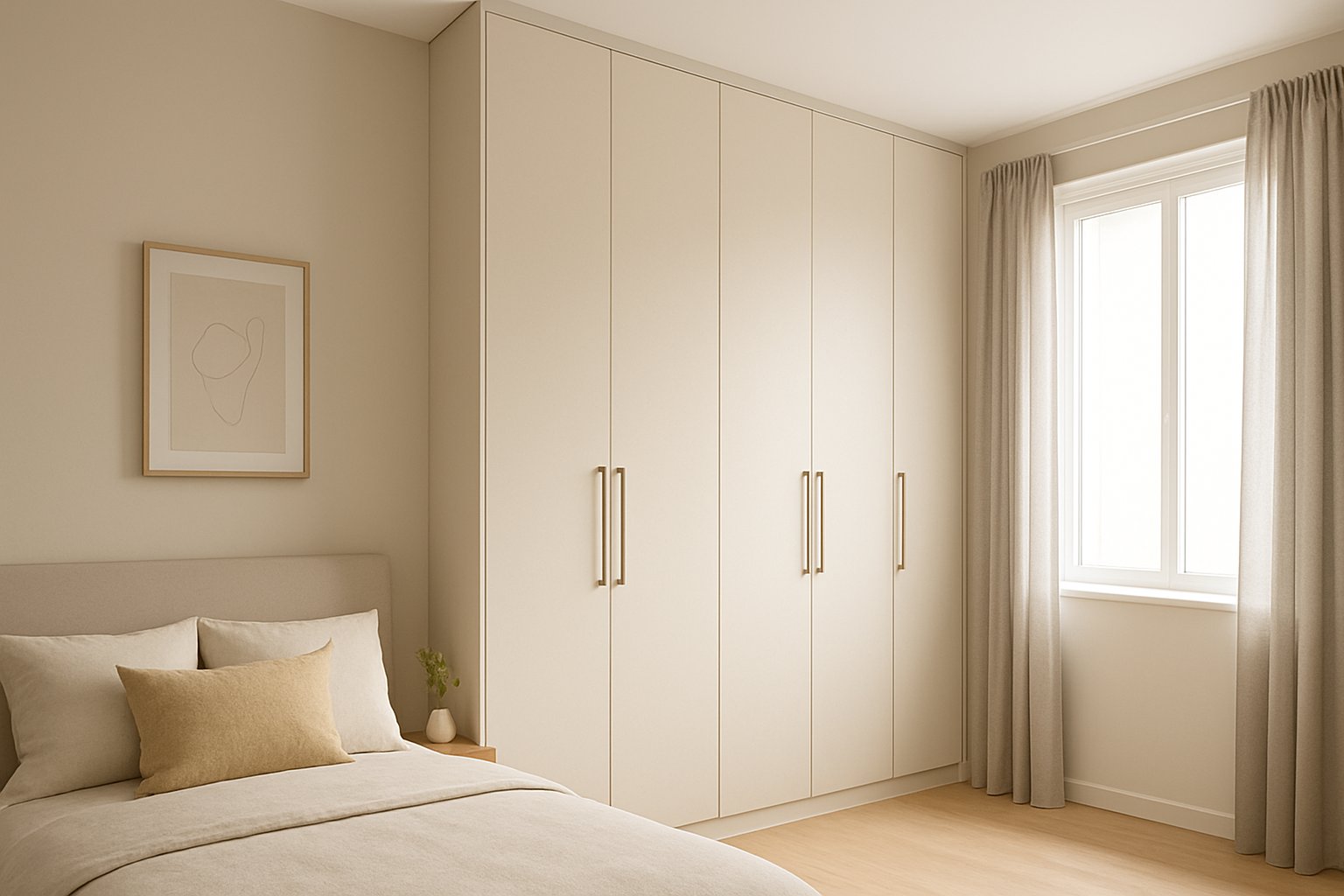
1. Use Tall Wardrobes Up to the Ceiling
This maximizes vertical space and reduces the need for extra cupboards.
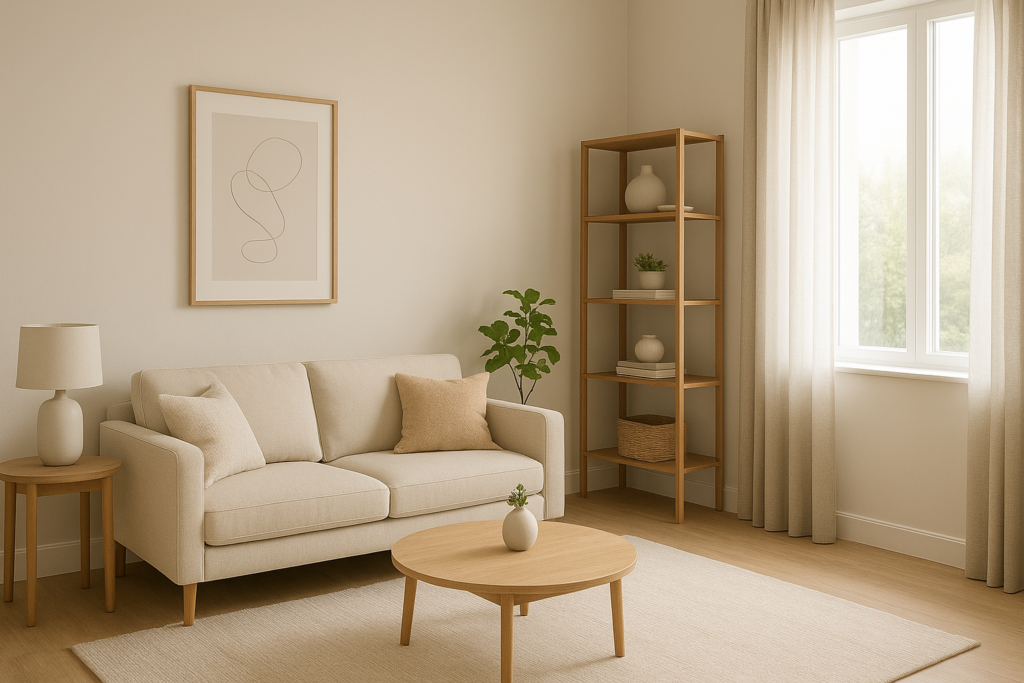
2. Choose Open Shelves Where Possible
Open shelving in the kitchen, living room, or study reduces woodwork dramatically and creates a spacious feel.
3. Under-Bed Storage
Hydraulic beds or drawer beds eliminate the need for extra boxes or cabinets.
4. Use Wall Niches
During construction, creating niches in bathrooms, bedrooms, or living areas saves money otherwise spent on shelves and cabinets.
5. Multipurpose Furniture
Items like ottomans with storage, folding dining tables, or pull-out desks make the home more flexible and efficient.
Common Mistakes to Avoid When Building a Low-Budget Modern Home
Avoiding these mistakes ensures your home remains durable, functional, and visually appealing for years.
1. Choosing Cheap Quality Materials
Low budget doesn’t mean low durability. Poor materials lead to long-term repair costs. Instead, choose well-priced, reliable options that offer good lifespan.
2. Overdesigning Small Spaces
Heavy décor, bulky furniture, and dark colors can make small homes feel suffocating. Keeping things minimal enhances beauty and saves money.
3. Changing the Plan Midway
Any change after construction begins leads to waste of materials, delays, and extra labor charges.
4. Ignoring Ventilation
Poor ventilation leads to damp walls, excessive heat, and a dull atmosphere. Cross-ventilation must always be planned early.
5. Using Too Many False Ceilings
False ceilings look modern but increase cost. Use them only where necessary for wiring and ambient lighting.
Budget Breakdown: Where the Money Really Goes
Understanding how the construction budget is typically distributed helps you make smarter decisions.
1. Structure (30–35%)
Foundation, columns, beams, and slab work.
2. Walls & Plaster (10–12%)
Brickwork and plastering.
3. Flooring (8–10%)
Tiles, skirting, and bathroom floors.
4. Doors & Windows (10–12%)
Choose UPVC or steel for cost control.
5. Electrical & Plumbing (10%)
Wiring, pipes, fittings, switches.
6. Painting (8–10%)
Interior and exterior coatings.
7. Kitchen & Wardrobes (12–15%)
Modular units, counters, finishing.
8. Miscellaneous (5%)
Grills, railings, gate, fixtures.
Understanding this breakdown helps you prioritize where to save and where not to compromise.
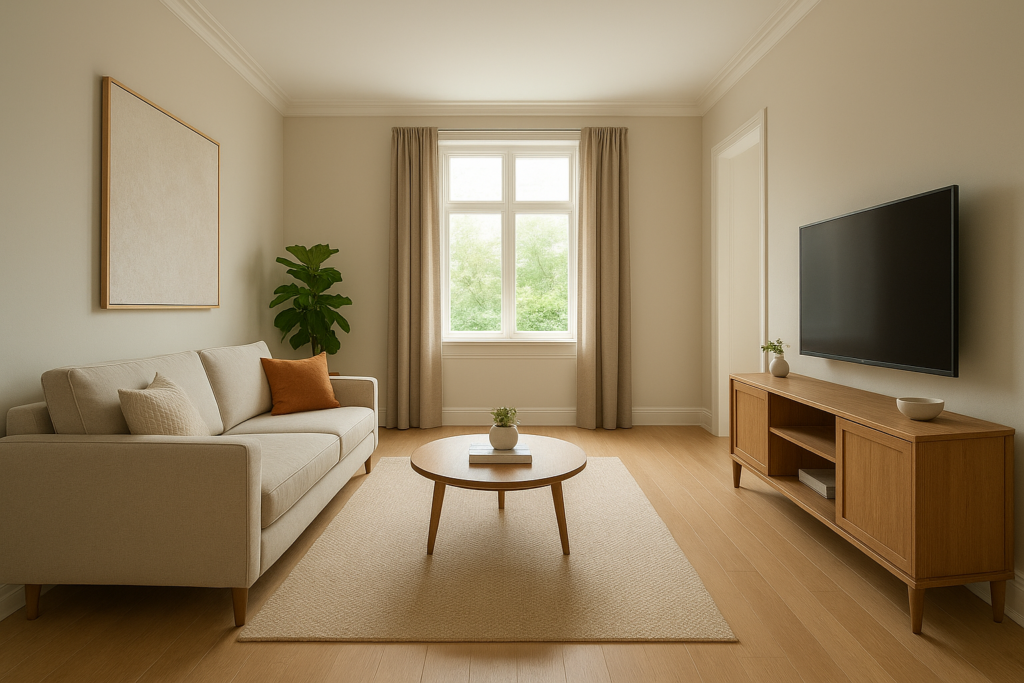
How to Make Any Small Home Look Larger
Simple design techniques can visually expand your home without increasing the physical size.
1. Use Mirrors Strategically
Mirrors reflect light and make rooms appear double in size.
2. Keep Windows Uncovered or Lightly Covered
Use sheer curtains to let sunlight flow in.
3. Choose Low-Height Furniture
Creates a sense of open volume.
4. Maintain Clear Walkways
Avoid placing furniture in traffic paths.
5. Stick to a Cohesive Color Palette
This creates visual unity and makes rooms feel more spacious.
Final Conclusion
An affordable home doesn’t mean compromising on comfort, beauty, or modern style. With thoughtful planning, smart material selection, and clever interior strategies, any homeowner can create a stunning, modern living space without stretching the budget.
A well-crafted budget home focuses on:
- clean, efficient layouts
- practical and durable materials
- open, bright spaces
- multi-purpose furniture
- minimalistic yet stylish décor
These principles not only save money during construction but also reduce long-term maintenance costs. Whether you’re building a small family home, a compact urban apartment, or a village house, simple design choices can bring elegance and warmth into every corner.