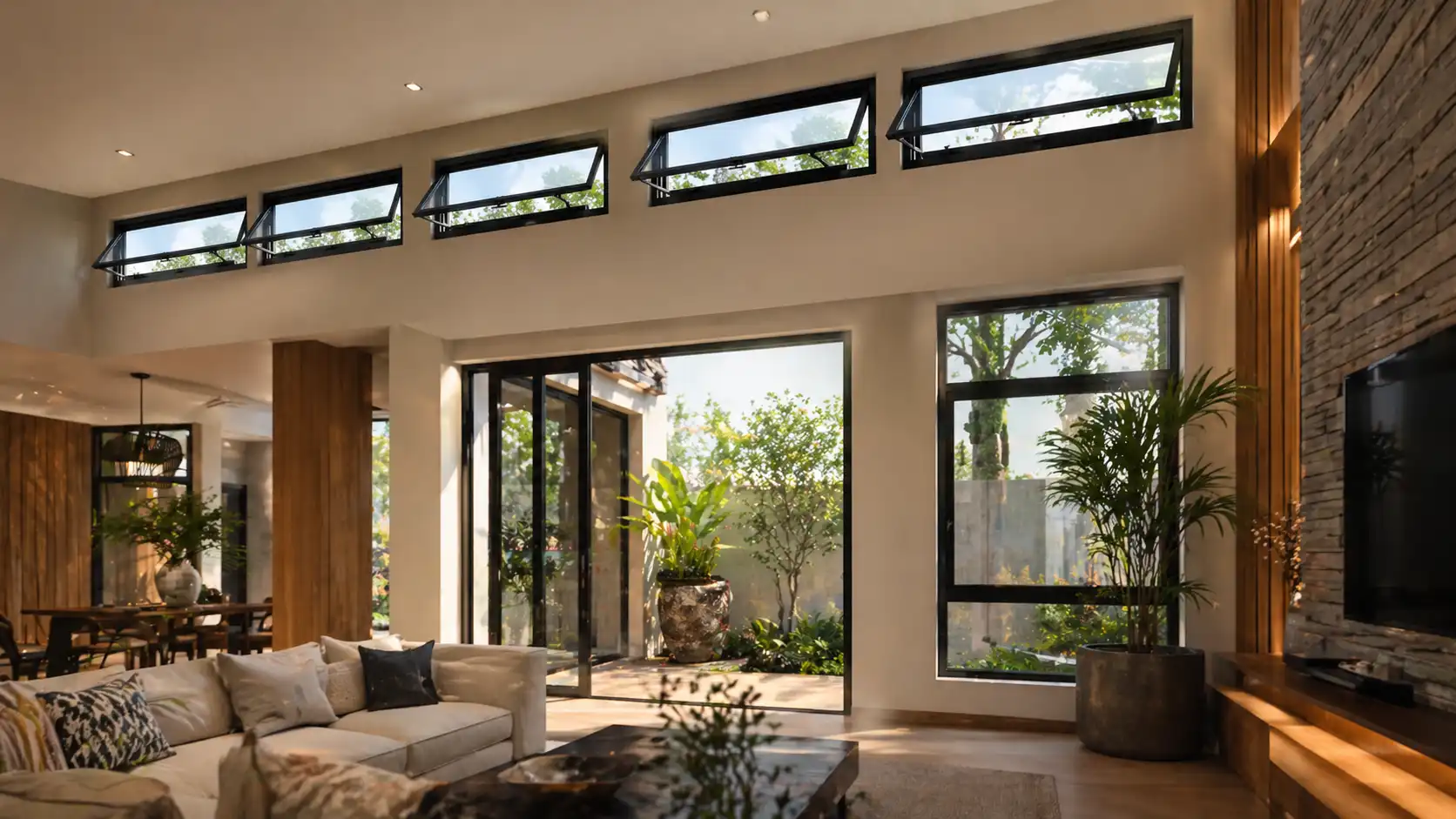
A well-designed home is not just about aesthetics—it’s also about comfort, airflow, and health. One of the most overlooked yet essential elements in modern architecture is the ventilation window. These windows are specifically designed to improve indoor air circulation while maintaining style and functionality.
In today’s homes, where energy efficiency and indoor air quality are top priorities, choosing the right ventilation window design can make a significant difference. Whether you live in a compact apartment or a spacious villa, proper ventilation ensures fresh air, reduces humidity, and creates a more pleasant living environment.
Why Ventilation Windows Are Essential in Modern Homes
Improving Indoor Air Quality
Indoor air can often be more polluted than outdoor air due to trapped dust, chemicals, and moisture. A well-placed ventilation window helps circulate fresh air, reducing toxins and improving overall air quality.
Enhancing Comfort
Proper airflow regulates temperature and prevents stuffiness. During warmer months, a strategically designed window allows hot air to escape, keeping interiors cooler.
Energy Efficiency
By reducing the need for artificial cooling systems, a good window can lower energy consumption. This makes your home more eco-friendly and cost-effective.
Moisture Control
Bathrooms, kitchens, and laundry areas benefit greatly from ventilation. Installing a window helps prevent mold growth and dampness.
Key Features to Look for in a Ventilation Window
Before choosing a design, it’s important to understand what makes a ventilation window effective.
1. Adjustable Openings
Look for windows that allow you to control airflow easily.
2. Durable Materials
Aluminum, uPVC, and treated wood are popular for modern designs.
3. Compact Design
Space-saving options work best in urban homes.
4. Easy Maintenance
Choose designs that are simple to clean and maintain.
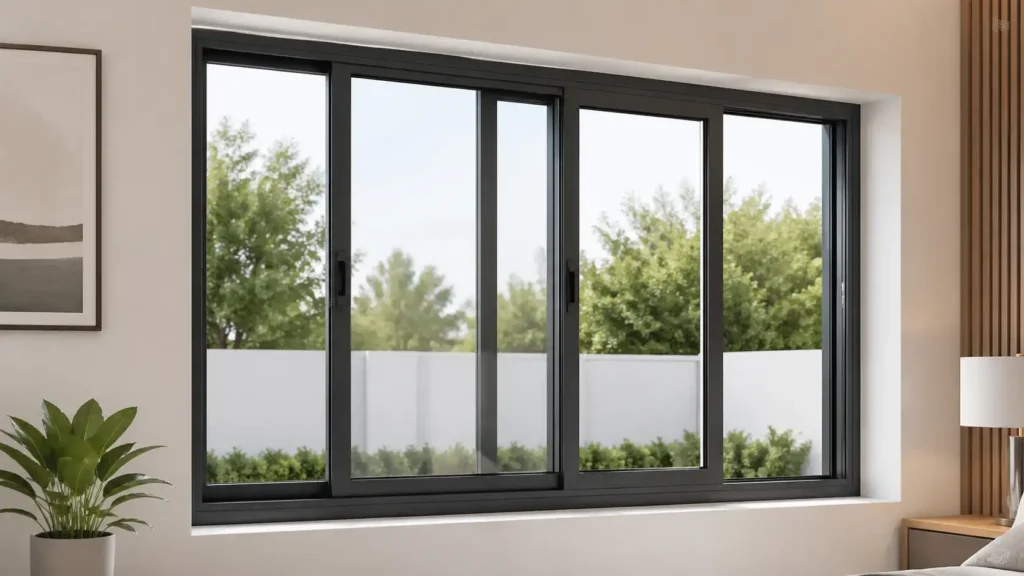
1. Sliding Ventilation Windows
Sliding windows are a popular choice for modern interiors. They move horizontally and require minimal space, making them ideal for compact rooms.
Why Choose This Design
- Space-efficient
- Easy operation
- Sleek appearance
A sliding window works well in living rooms and bedrooms where style meets practicality.
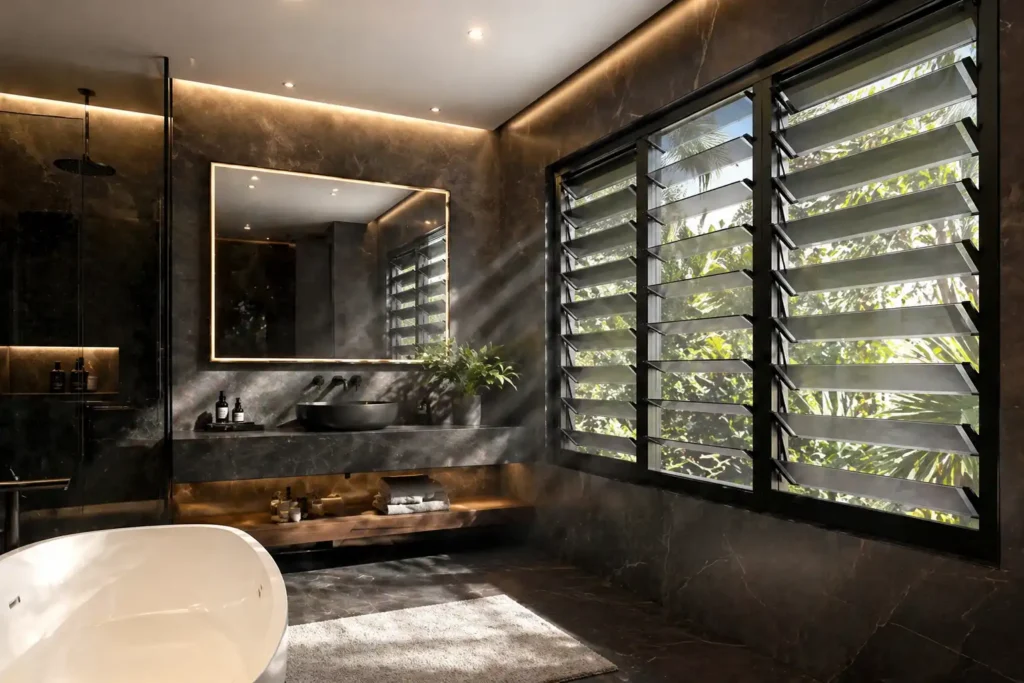
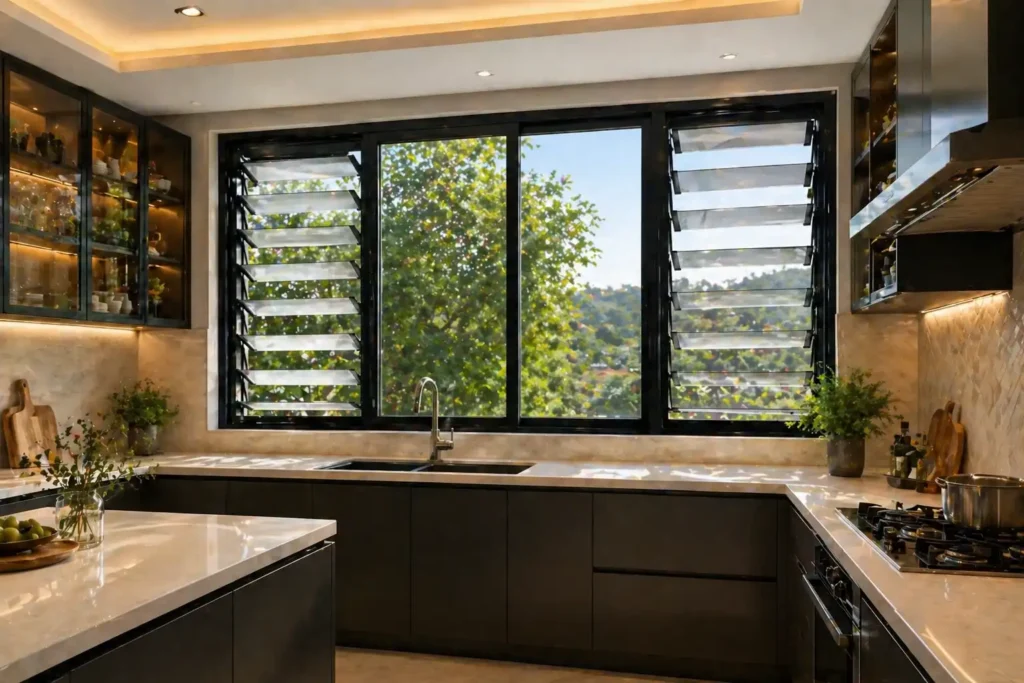
2. Louvered Ventilation Windows
Louvered windows feature horizontal slats that can be adjusted to control airflow.
Benefits
- Excellent airflow control
- Maintains privacy
- Ideal for humid areas
This type of window is commonly used in bathrooms and utility spaces.
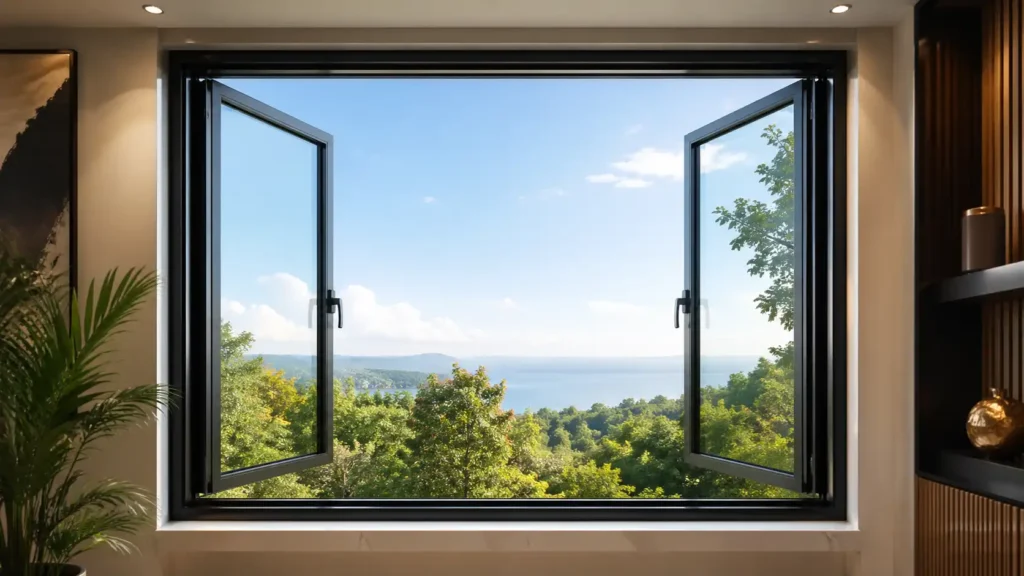
3. Casement Ventilation Windows
Casement windows are hinged on one side and open outward like a door.
Advantages
- Maximum airflow
- Tight sealing when closed
- Modern look
A casement window is perfect for areas where you want strong cross-ventilation.
4. Awning Ventilation Windows
Awning windows are hinged at the top and open outward from the bottom.
Why They Stand Out
- Can remain open during rain
- Provides continuous airflow
- Adds architectural interest
An awning window is often installed higher on walls for better air circulation.
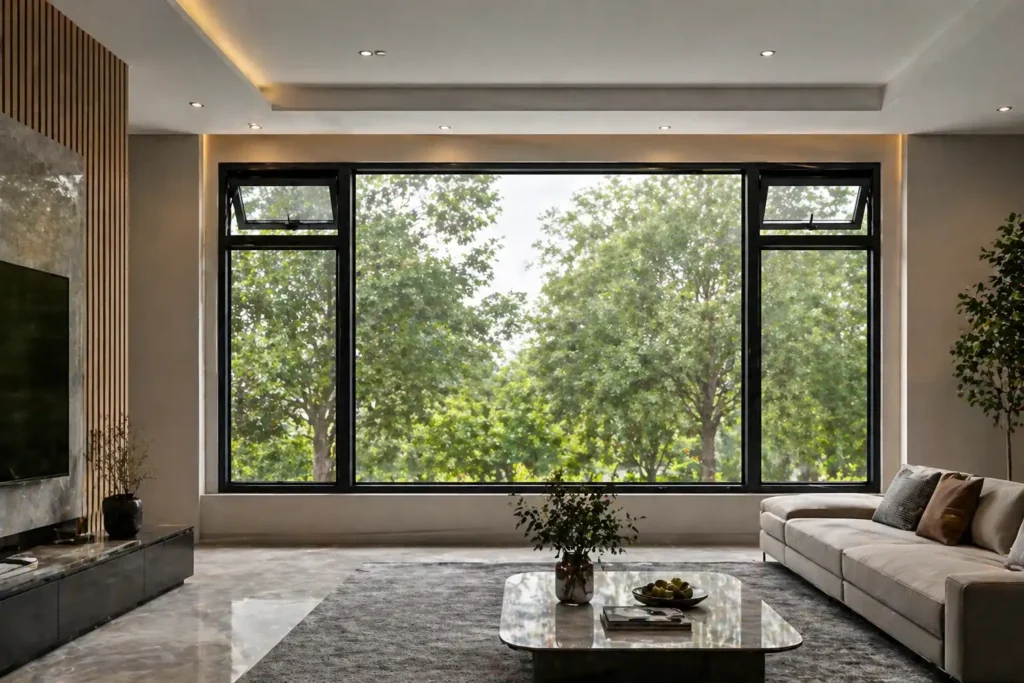
5. Fixed Ventilation Windows with Vents
These windows combine fixed glass panels with small ventilation openings.
Key Features
- Allows natural light
- Maintains aesthetics
- Controlled airflow
This modern window design is ideal for living rooms and hallways.
6. Tilt and Turn Ventilation Windows
These versatile windows can tilt inward or swing open fully.
Benefits
- Dual functionality
- Easy cleaning
- Enhanced security
A tilt-and-turn ventilation window offers flexibility for modern homeowners.
7. Clerestory Ventilation Windows
Placed high on walls, clerestory windows allow light and air without compromising privacy.
Why Choose Clerestory
- Maximizes natural light
- Improves airflow
- Maintains privacy
This type of window is perfect for contemporary architectural designs.
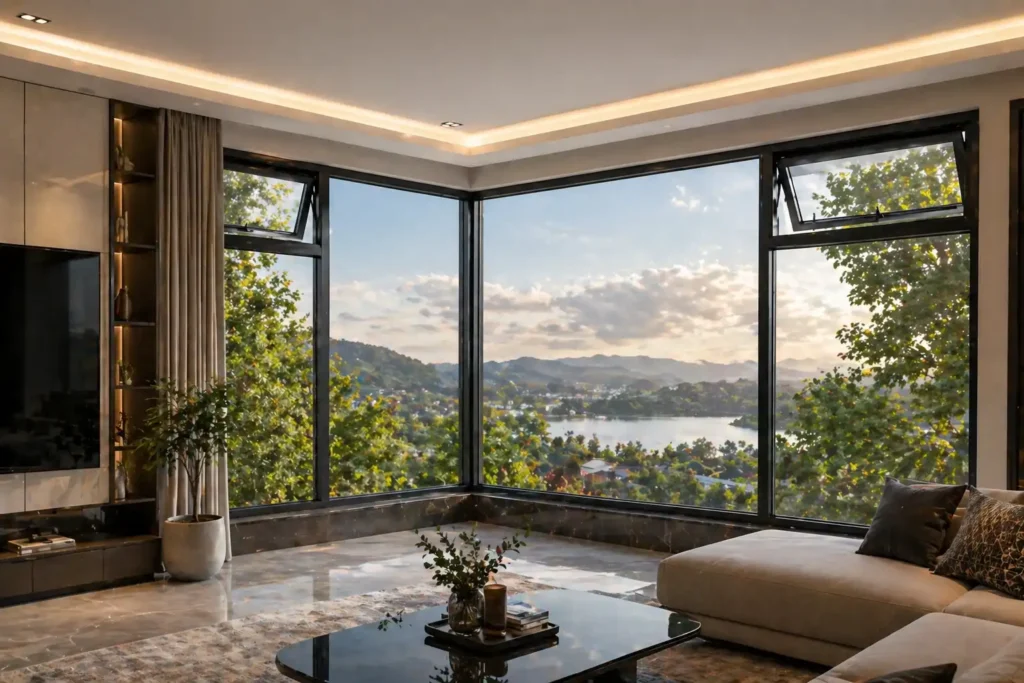
8. Corner Windows
Installed at the corners of rooms, these windows create a unique visual effect while improving airflow.
Advantages
- Panoramic views
- Better cross-ventilation
- Modern aesthetics
A corner window adds a luxurious and open feel to any space.
How to Choose the Right Ventilation Window for Your Home
Consider Room Size
Larger rooms may require bigger or multiple windows for effective airflow.
Think About Placement
Positioning plays a key role in maximizing ventilation.
Match Your Interior Style
Choose designs that complement your home décor.
Evaluate Climate Conditions
Different climates require different ventilation solutions.
Design Tips for Maximum Impact
Combine Function with Style
Select designs that enhance both airflow and aesthetics.
Use Neutral Frames
Modern homes often benefit from minimalistic window frames.
Integrate with Lighting
Natural light and ventilation go hand in hand.
Installation Tips for Ventilation Windows
Proper installation plays a crucial role in how effectively a ventilation window performs. Even the most stylish design will fail to deliver results if it is not installed correctly.
Choose the Right Location
Placement determines airflow efficiency. Install a window where cross-breeze can naturally occur, such as opposite walls or near open spaces.
Work with Professionals
Hiring experienced installers ensures proper sealing, alignment, and durability. A poorly fitted window may lead to air leaks or water seepage.
Ensure Proper Height
Higher placements help release hot air, while lower openings allow fresh air to enter. Combining both can maximize the performance of your window.
Check Frame Quality
Strong frames prevent long-term damage. Always verify the material quality before installing a ventilation window.
Maintenance Guide for Long-Lasting Performance
To keep your ventilation window functioning efficiently, regular maintenance is essential.
1. Clean Regularly
Dust and debris can block airflow. Clean the glass and frames to ensure your window works smoothly.
2. Inspect Moving Parts
For sliding or tilt designs, check hinges and tracks. A well-maintained window operates effortlessly.
3. Prevent Moisture Damage
Moisture can affect durability, especially in humid areas. Ensure proper sealing around your ventilation window.
4. Repaint or Refinish Frames
Wooden frames may need refinishing over time to maintain the appearance of your ventilation window.
Cost Considerations for Ventilation Windows
The cost of installing a window depends on several factors.
Material Selection
- uPVC: Affordable and low maintenance
- Aluminum: Durable and modern
- Wood: Premium and aesthetic
Design Complexity
Advanced designs like tilt-and-turn or corner styles may increase the cost of a ventilation window.
Installation Charges
Professional installation adds to the total expense but ensures quality and longevity.
Long-Term Savings
Although the initial investment may vary, a well-designed window can reduce energy costs over time.
Common Mistakes to Avoid
Avoiding these mistakes will help you get the best performance from your ventilation window.
Ignoring Placement
Incorrect positioning reduces airflow effectiveness.
Choosing Style Over Function
A beautiful design should still serve its purpose as a window.
Poor Quality Materials
Low-quality materials can shorten the lifespan of your window.
Skipping Maintenance
Neglecting upkeep can lead to reduced efficiency and damage.
Benefits of Investing in Stylish Ventilation Window
Healthier Living Environment
Fresh air circulation improves overall well-being.
Enhanced Property Value
Modern window designs add appeal and value to your home.
Improved Energy Efficiency
Reduced reliance on artificial cooling systems.
Aesthetic Appeal
A stylish window enhances the overall look of your interiors.
Frequently Asked Questions (FAQs)
1. What is a ventilation window?
A ventilation window is designed to improve airflow in a home while maintaining style and functionality.
2. Where should ventilation windows be installed?
They are best placed in areas like kitchens, bathrooms, and living spaces where airflow is essential.
3. Which material is best for ventilation windows?
uPVC and aluminum are popular due to durability and low maintenance, while wood offers a premium look.
4. Do windows help reduce energy costs?
Yes, they improve airflow and reduce the need for air conditioning, lowering energy bills.
5. Are ventilation windows suitable for small homes?
Absolutely. Compact designs like sliding or louvered windows work perfectly in smaller spaces.
7. Can ventilation windows be installed in bathrooms?
Yes, they are ideal for controlling moisture and preventing mold growth.
8. Are modern ventilation windows secure?
Most modern designs come with locking systems for added safety.
Conclusion
A thoughtfully chosen ventilation window is more than just an architectural feature—it’s an investment in comfort, health, and style. With the right design, placement, and maintenance, these windows can transform your living space into a fresh and inviting environment.
From sliding and louvered styles to innovative corner and clerestory designs, there are plenty of options to suit every home. By focusing on both aesthetics and functionality, you can create a space that not only looks modern but also feels comfortable all year round.