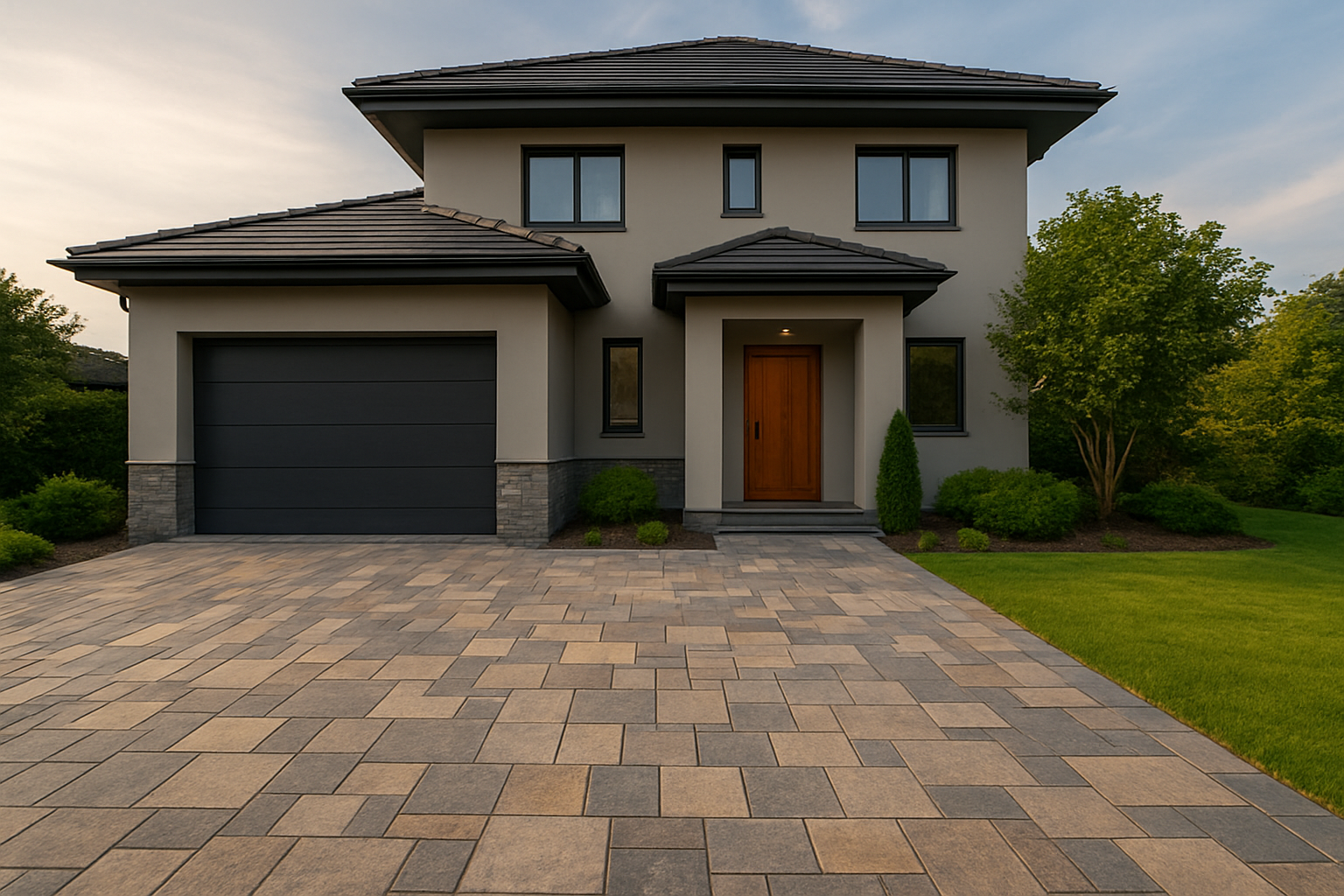
Designing a beautiful home exterior goes far beyond architecture and landscaping. One of the most overlooked yet impactful aspects of exterior design is the parking tiles design at home. This area not only serves a practical purpose but also contributes greatly to the visual harmony and functionality of the overall property.
When done thoughtfully, parking tiles can elevate a home’s entrance, define its aesthetic language, and ensure long-lasting durability under daily wear. This guide explores the principles, styles, and expert insights that help homeowners and designers achieve the perfect balance between beauty and strength.
1. The Significance of Parking Tiles Design at Home
For many Indian homes, the parking area is the first visual encounter for guests and residents alike. The parking tiles design at home must therefore strike a balance between function and form. It should withstand weight, resist weathering, and yet appear elegant enough to complement the architecture of the house.
An intelligently designed parking area doesn’t just provide vehicle accommodation—it enhances curb appeal and defines the transition from the public to the private realm. Moreover, the design of this space can subtly echo the home’s architectural language, whether modern, traditional, or transitional.
2. Designing with Purpose: Understanding the Core Principles
The foundation of any great parking tiles design at home lies in understanding a few core design principles that ensure both longevity and aesthetic integrity.
a. Visual Harmony
The visual continuity between your parking area and the main front exterior creates a cohesive design experience. Aligning textures, tones, and geometric patterns enhances architectural unity.
b. Balance Between Strength and Elegance
Since the parking space endures constant load and movement, the design must reflect endurance. At the same time, aesthetics should never feel secondary—sleek textures, rhythmic patterns, or minimalist tones can achieve a refined balance.
c. Functional Geometry
Geometry dictates flow and organization. Rectilinear or grid-based layouts often work best for modern Indian homes, while radial or chequered layouts add dynamism to traditional exteriors.
d. Spatial Optimization
The parking tiles design at home must consider available space, slope, drainage, and circulation paths. Well-planned tile arrangements guide vehicle movement smoothly while preventing water accumulation.
3. Harmonizing with the Home’s Architecture
Parking areas should visually belong to the house. Designers often derive patterns and proportions from architectural elements—such as balcony railings, cladding details, or window frames—to establish visual rhythm.
For instance, a contemporary villa may favor minimal linear patterns, while a classic bungalow might incorporate ornate motifs. Aligning design intent with the architectural style ensures that the parking tiles design at home becomes an integral aesthetic statement rather than an afterthought.
4. Exploring Color and Texture Combinations
Color psychology plays a subtle yet powerful role in exterior spaces.
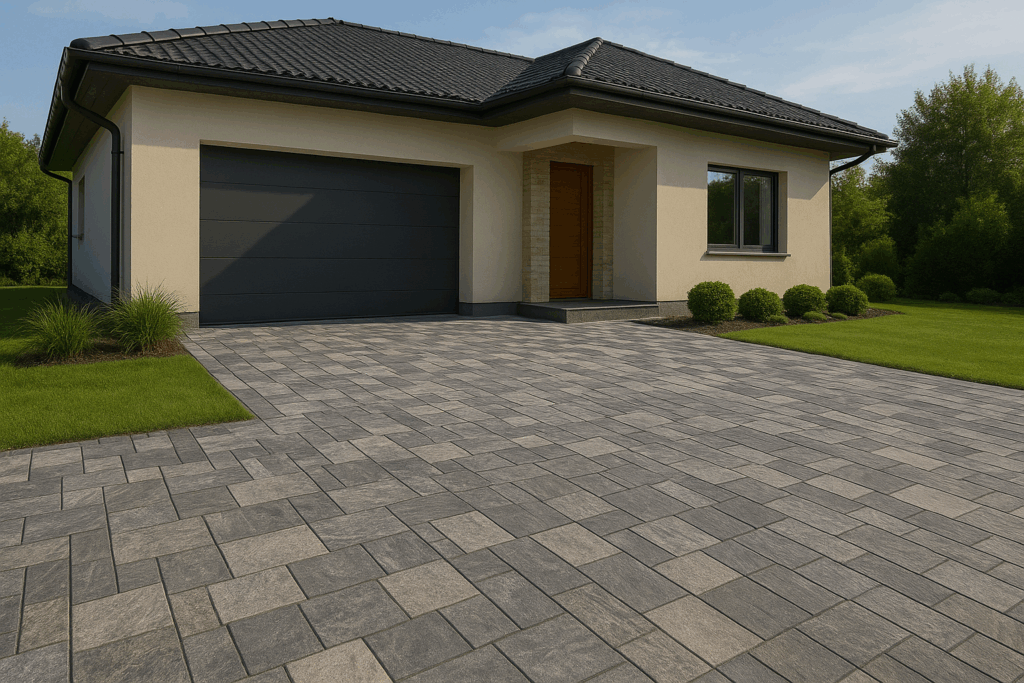
- Neutral tones (greys, whites, taupe) convey sophistication and make the space feel expansive.
- Earthy tones evoke warmth and connect the home to its natural surroundings.
- Contrasting borders or gridlines help define parking zones and walking paths distinctly.
The parking tiles design at home should also explore texture variation. Slightly textured or matte surfaces enhance grip and visual interest. The interplay of rough and smooth finishes, light and shadow, adds depth to the overall look.
5. Modern Design Trends in Parking Tiles
Contemporary homeowners are leaning toward sleek, uncluttered patterns that complement minimalist architecture. The following trends have emerged as defining features of modern exterior design:
a. Large Format Tiles
Large modules reduce grout lines and make the surface appear seamless—ideal for a high-end look.
b. Geometric Simplicity
Designs featuring hexagons, linear strips, or chevron layouts reflect modernist influences and add a subtle dynamic effect.
c. Dual-Tone Surfaces
Subtle dual-tone variations in the parking tiles design at home create a sense of movement without overpowering the exterior.
d. Monochrome Elegance
Minimalist monochrome schemes—like charcoal grey, sand beige, or off-white—offer timeless appeal and work well with any front exterior style.
6. Layout Planning for Functional Efficiency
A well-laid plan transforms functionality. Parking design isn’t only about aesthetics; it’s about movement and comfort.
a. Circulation Flow
Ensure an intuitive approach for vehicles, with clear demarcation for parking slots and pedestrian zones.
b. Drainage Gradient
A subtle slope prevents waterlogging. It’s an essential detail often overlooked in the parking tiles design at home.
c. Lighting Integration
Plan recessed or boundary lighting within the parking area. Proper illumination elevates safety while accentuating texture at night.
d. Landscape Interface
Integrating planters or green strips between tiled areas softens the hardscape and introduces biophilic comfort.
7. Style Inspirations for Indian Homes
Every Indian home has its personality, and the parking tiles design at home should reflect that individuality.
a. Contemporary Urban Homes
Opt for sleek linear arrangements and muted palettes. Combine subtle pattern repetition with accent lighting for an understated modern look.
b. Traditional Indian Residences
Introduce patterns that echo regional artistry—such as symmetrical motifs or ornate borders. These designs honor tradition while maintaining practicality.
c. Tropical or Coastal Homes
Use soothing color palettes—sandy tones, light greys, or subtle textures—that blend seamlessly with outdoor greenery and natural light.
d. Luxury Villas and Farmhouses
Grand residences benefit from bold geometries and seamless transitions between driveway and courtyard areas, enhancing both function and elegance.
7A. Types of Parking Tiles You Can Use at Home
When planning your parking tiles design at home, understanding the different types of tiles helps you make choices that blend aesthetics with long-term strength.
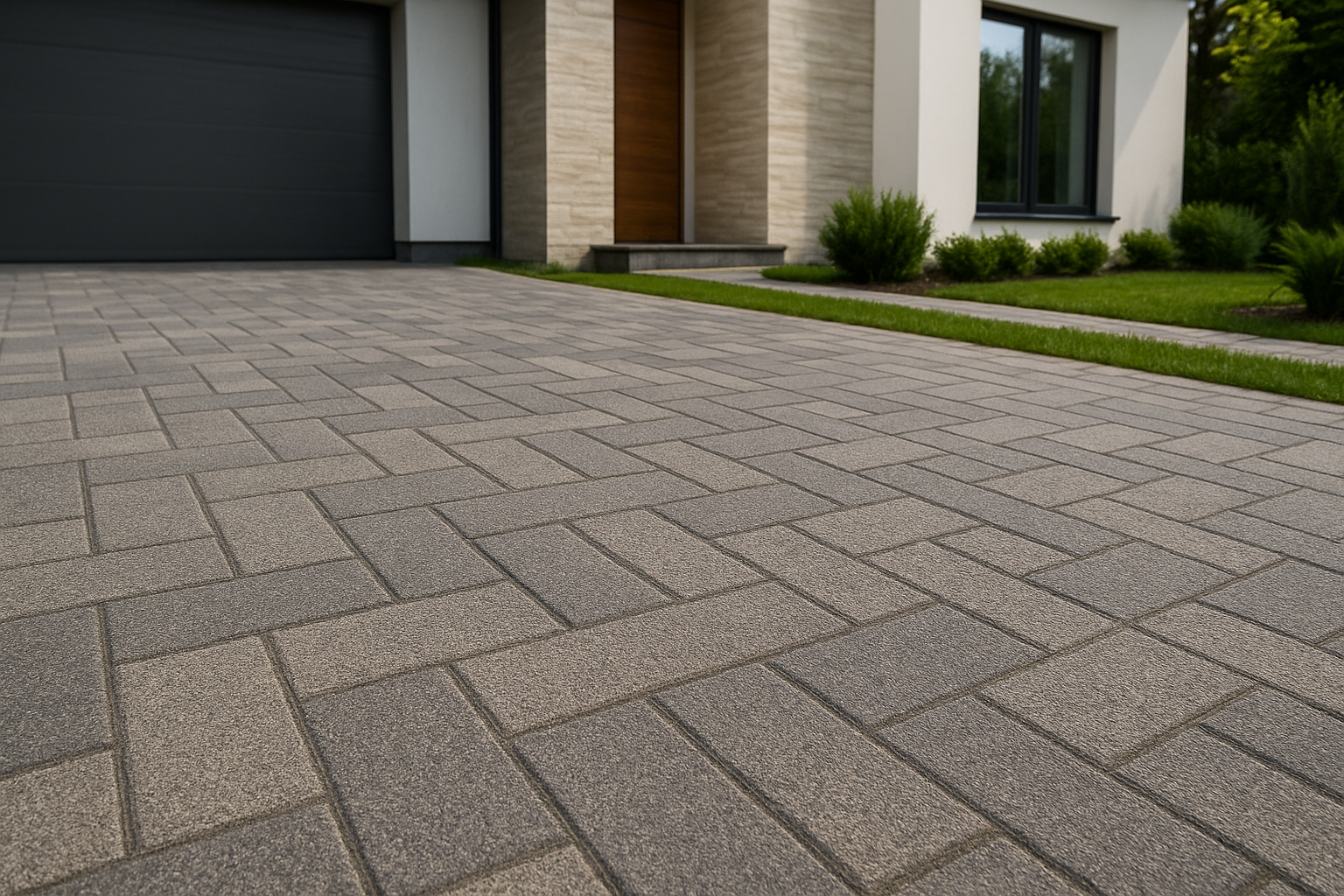
1. Textured Parking Tiles
Provide excellent grip and slip resistance. Their subtle surface texture ensures safety during monsoons or when the area is wet.
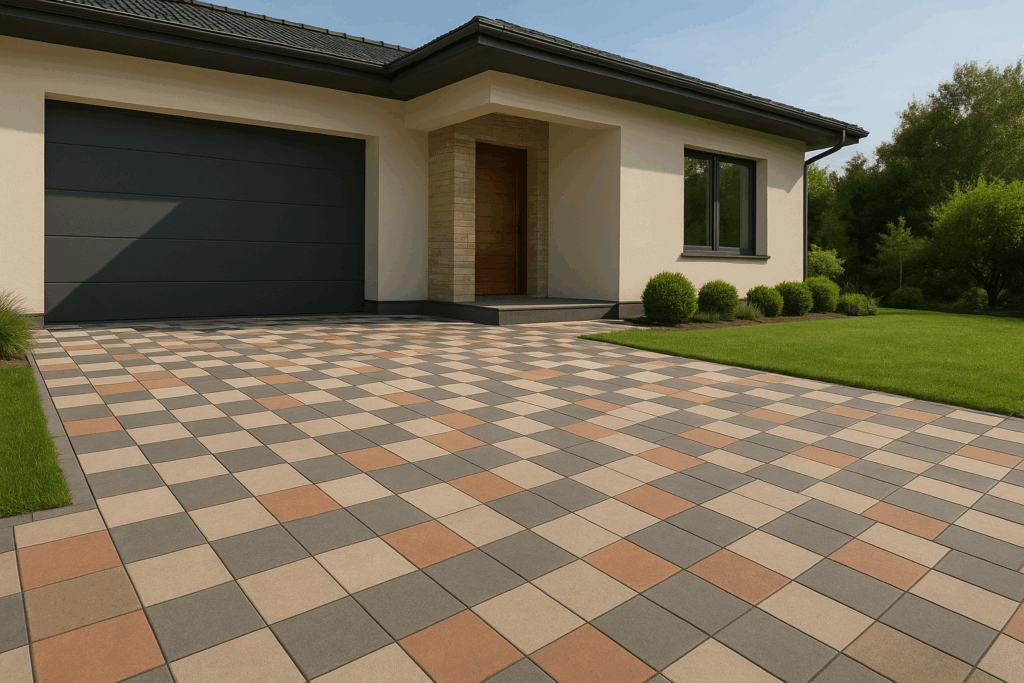
2. Patterned or Designer Tiles
Ideal for homeowners who want to elevate visual appeal. Patterns—such as geometric, chequered, or mosaic layouts—create a stylish, customized look.
3. Matte Finish Tiles
Perfect for a refined, understated design. Matte finishes diffuse light and give a premium appearance while hiding dust or tire marks effectively.
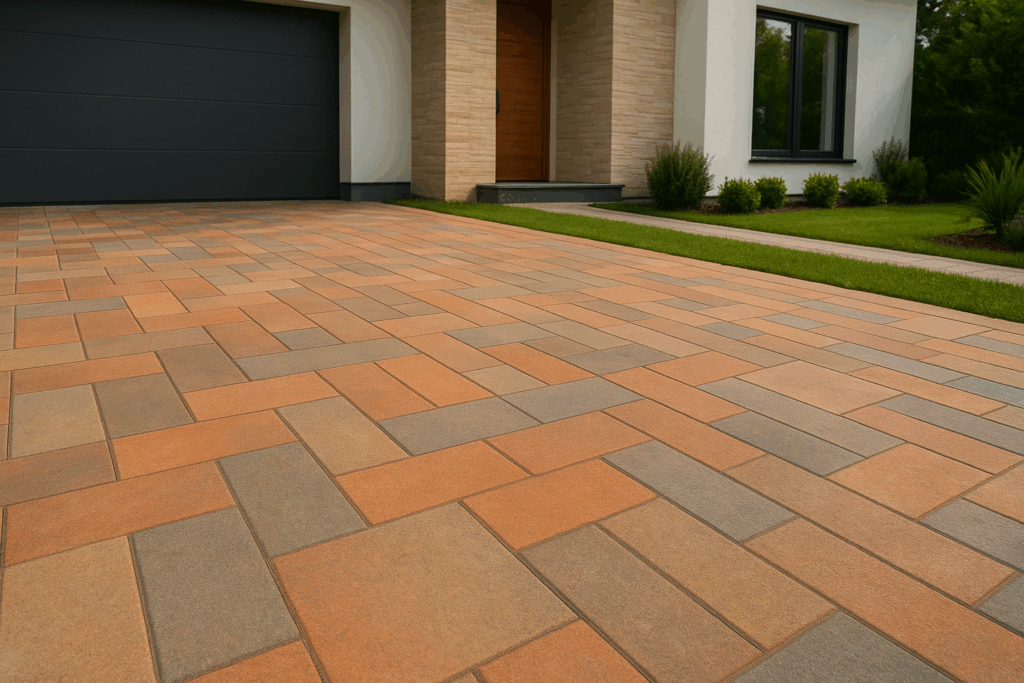
4. Interlocking Parking Tiles
Great for areas requiring easy installation and flexibility. Their modular locking system allows quick setup and repair without full reinstallation.
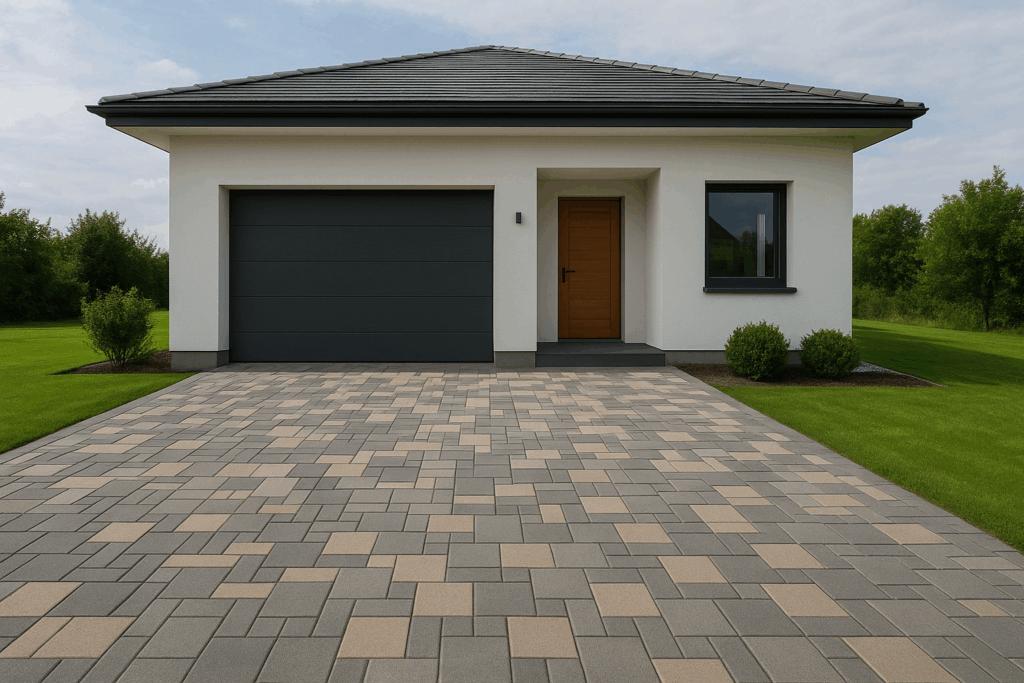
5. Stone-Look Parking Tiles
Mimic natural textures like granite or slate, adding a touch of organic beauty to modern or traditional home exteriors.
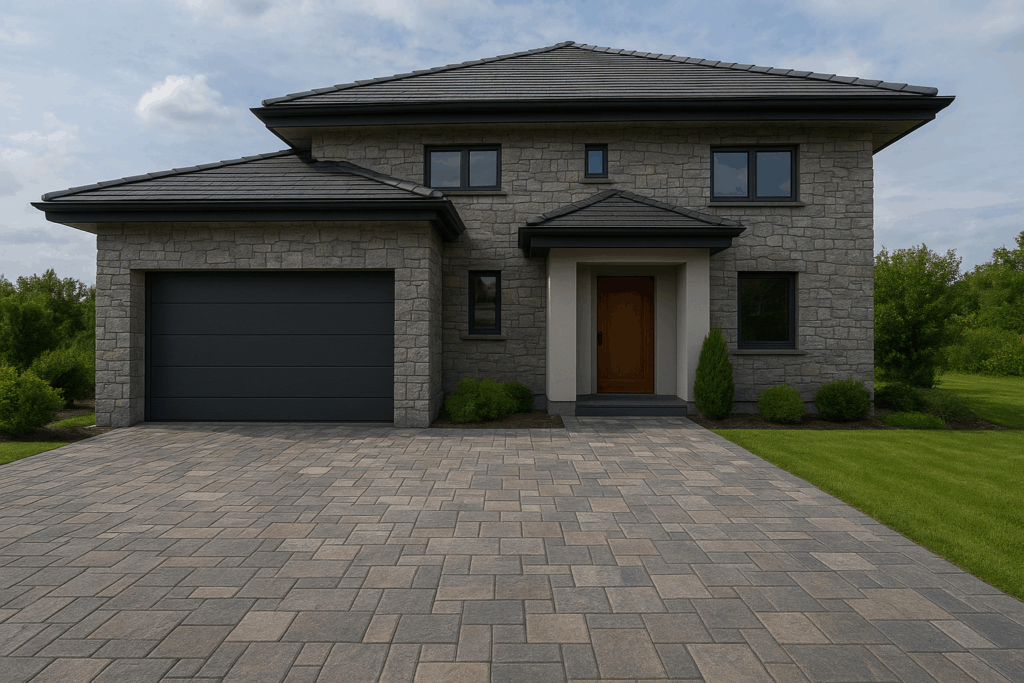
6. Dual-Tone or Contrast Tiles
These tiles mix two complementary shades, helping define boundaries and enhance the overall parking tiles design at home.
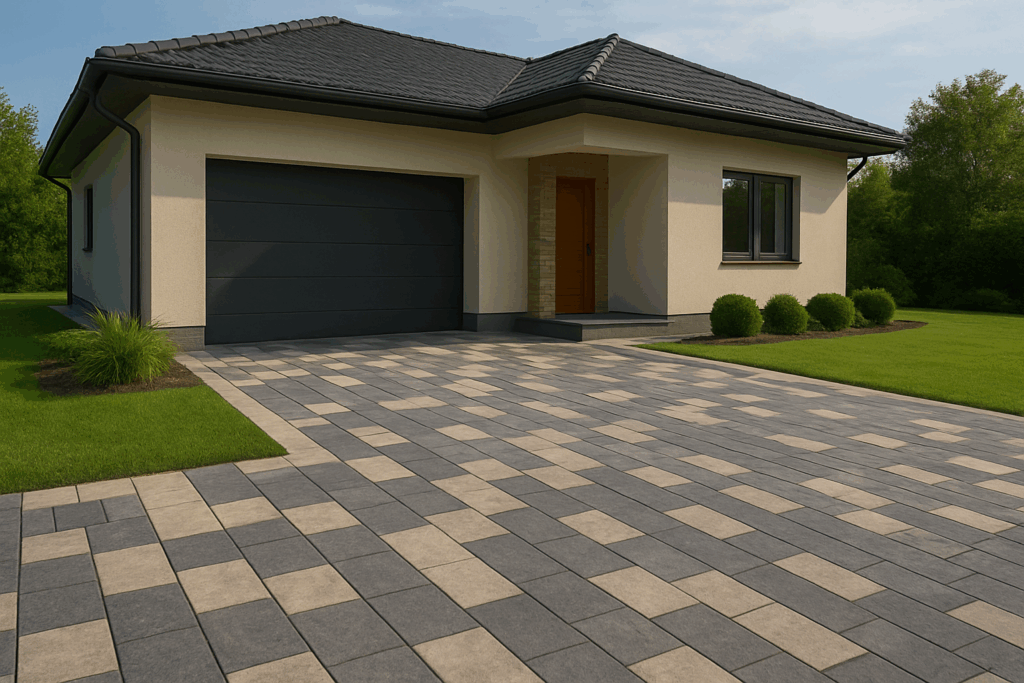
7. Minimal Plain Tiles
Simple and elegant, plain tiles highlight clean geometry and are perfect for homes with contemporary front exterior.
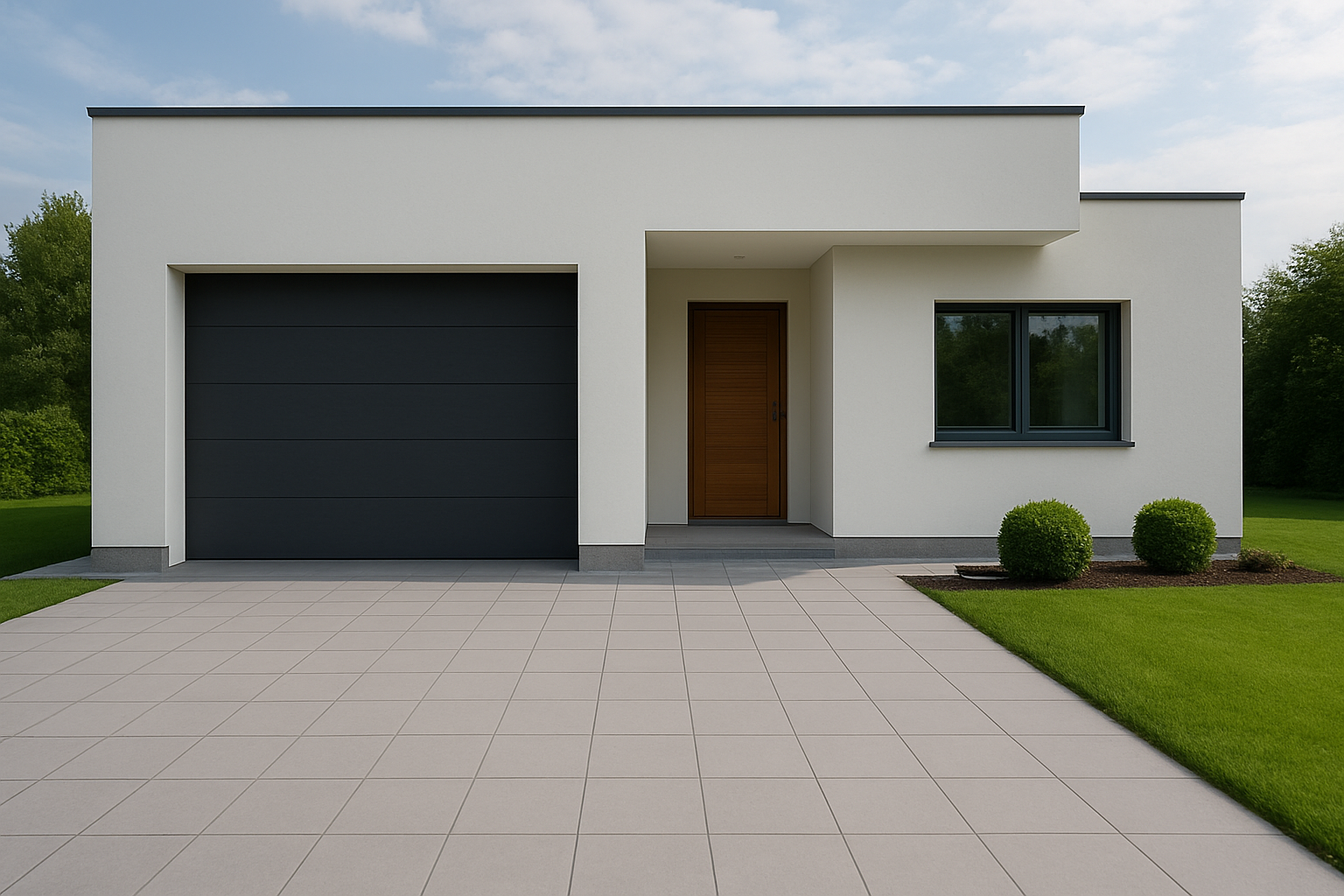
8. The Role of Lighting in Enhancing Tile Design
Lighting has a transformative effect on the parking tiles design at home. It defines spatial boundaries, highlights textures, and enhances nighttime appeal.
- Embedded floor lights trace the edges of the driveway elegantly.
- Wall-mounted sconces or bollard lights provide soft ambient glow.
- LED strips along tile joints create futuristic linear accents.
A lighting scheme that complements tile patterns ensures a cohesive and inviting exterior environment.
9. Common Mistakes to Avoid
Even the most elegant designs can falter without careful detailing. Below are some frequent design oversights:
- Ignoring slope and drainage.
- Choosing colors that clash with the front exterior.
- Using overly glossy finishes that reduce traction.
- Neglecting expansion joints in large paved areas.
- Inconsistent pattern alignment during installation.
Avoiding these mistakes ensures the parking tiles design at home remains both beautiful and functional over time.
10. Sustainability and Longevity
Sustainability is now a central theme in architectural design. While focusing on appearance, durability should be equally prioritized.
A well-executed parking tiles design at home contributes to longevity through:
- Thoughtful surface planning that minimizes repair needs.
- Efficient water management through proper gradients.
- Choosing finishes that resist fading under harsh sunlight.
- Smart installation techniques ensuring long-term stability.
Sustainable design not only benefits the environment but also reduces long-term maintenance costs.
11. Maintenance and Care Tips
An appealing exterior requires consistent upkeep. Maintenance doesn’t always mean replacement—it’s about preservation.
Here’s how to maintain your parking tiles design at home effortlessly:
- Regular Cleaning: Periodic washing removes dust, oil marks, and pollutants that dull the finish.
- Immediate Spill Management: Quickly clean oil or paint spills to prevent permanent stains.
- Sealant Application: Applying a protective coating enhances lifespan and simplifies cleaning.
- Routine Inspection: Check for cracks or gaps annually to maintain uniform appearance.
Consistent attention ensures that your parking area continues to mirror the elegance of your home.
13. Expert Design Insights
From an architectural standpoint, the parking zone serves as a functional prelude to the residence. Expert designers recommend focusing on three layers of detailing:
- Surface Design: Patterns, color palette, and geometry.
- Spatial Design: Layout, access points, and proportion.
- Sensory Design: Lighting, texture, and visual hierarchy.
When these layers harmonize, the parking tiles design at home transcends its utilitarian purpose and evolves into a design statement reflecting lifestyle, precision, and aesthetic intelligence.
14. Parking Tiles in Different Climatic Conditions
India’s climatic diversity means design adaptability is crucial.
- In humid zones, slightly textured tiles prevent slippage.
- In dry or high-heat regions, lighter colors reflect heat efficiently.
- In rain-prone areas, ensuring effective drainage is vital.
The climatic context influences visual choices and technical details—ensuring the parking tiles design at home remains resilient across seasons.
15. Coordinating with front exterior and Landscape Materials
Consistency across materials enhances architectural expression. A parking area designed with complementary tones and patterns strengthens the visual identity of the home.
Designers often echo front exterior textures or color gradients within the driveway pattern, subtly reinforcing architectural unity. The parking tiles design at home can thus act as the visual anchor tying all exterior elements together.
16. Innovative Pattern Ideas
a. Linear Minimalism
Parallel stripes that lead toward the entryway give a sleek, directional sense of flow.
b. Modular Geometry
Repetitive square or diamond motifs offer organized symmetry, ideal for structured layouts.
c. Randomized Patterns
A blend of shades arranged randomly creates organic dynamism, preventing monotony.
d. Border Highlights
Contrasting borders around tile groups add definition and elevate sophistication.
These approaches ensure the parking tiles design at home feels unique and tailored rather than repetitive or generic.
17. The Aesthetic Impact of Proportion and Scale
Proportion determines elegance. Oversized tiles lend a grand impression, while smaller modules offer intricacy. Balancing tile scale with area size avoids visual clutter or disproportion.
Proportionate design ensures the parking tiles design at home feels cohesive, spacious, and aligned with architectural intent.
18. The Emotional Value of Design
Design influences perception and emotion. A thoughtfully crafted parking tiles design at home sets the tone for the entire living experience—it welcomes residents with subtle elegance and projects a sense of pride.
The parking area often becomes the threshold that bridges everyday practicality with aesthetic satisfaction. Its design can therefore carry emotional weight, shaping first impressions daily.
19. Future-Ready Design Considerations
Design foresight is essential for long-term value.
- Plan for potential layout extensions or electric vehicle charging points.
- Incorporate modular designs that allow easy replacements.
- Maintain flexibility for landscape changes or lighting upgrades.
A future-ready parking tiles design at home ensures that the space evolves gracefully with technological and lifestyle advancements.
20. FAQs: Addressing Common Queries
1. How do I make my parking tiles area look stylish yet practical?
Opt for geometric patterns and subtle tones that complement your home’s architecture. Balance beauty with durability.
2. Can I mix different tile designs?
Yes. Combining two complementary styles creates visual zoning without cluttering the space.
3. How often should I maintain the parking area?
Routine cleaning once a week and periodic inspection every six months are ideal.
4. Should lighting be part of the tile design?
Definitely. Lighting enhances safety and accentuates design patterns beautifully.
5. What’s the most important factor when planning a parking area?
Slope and drainage management—these ensure longevity and prevent surface damage.
Conclusion: Where Strength Meets Sophistication
A beautiful parking tiles design at home exemplifies the synergy between practicality and artistry. It reflects thoughtful planning, design intelligence, and aesthetic refinement. Beyond being a mere functional surface, it shapes how one perceives the home from the outside—a subtle yet powerful design statement.
By integrating geometry, proportion, texture, and lighting, you can create a parking zone that stands resilient over time while maintaining its visual grace. When strength and style converge seamlessly, the result is not just a driveway—it’s an architectural experience.