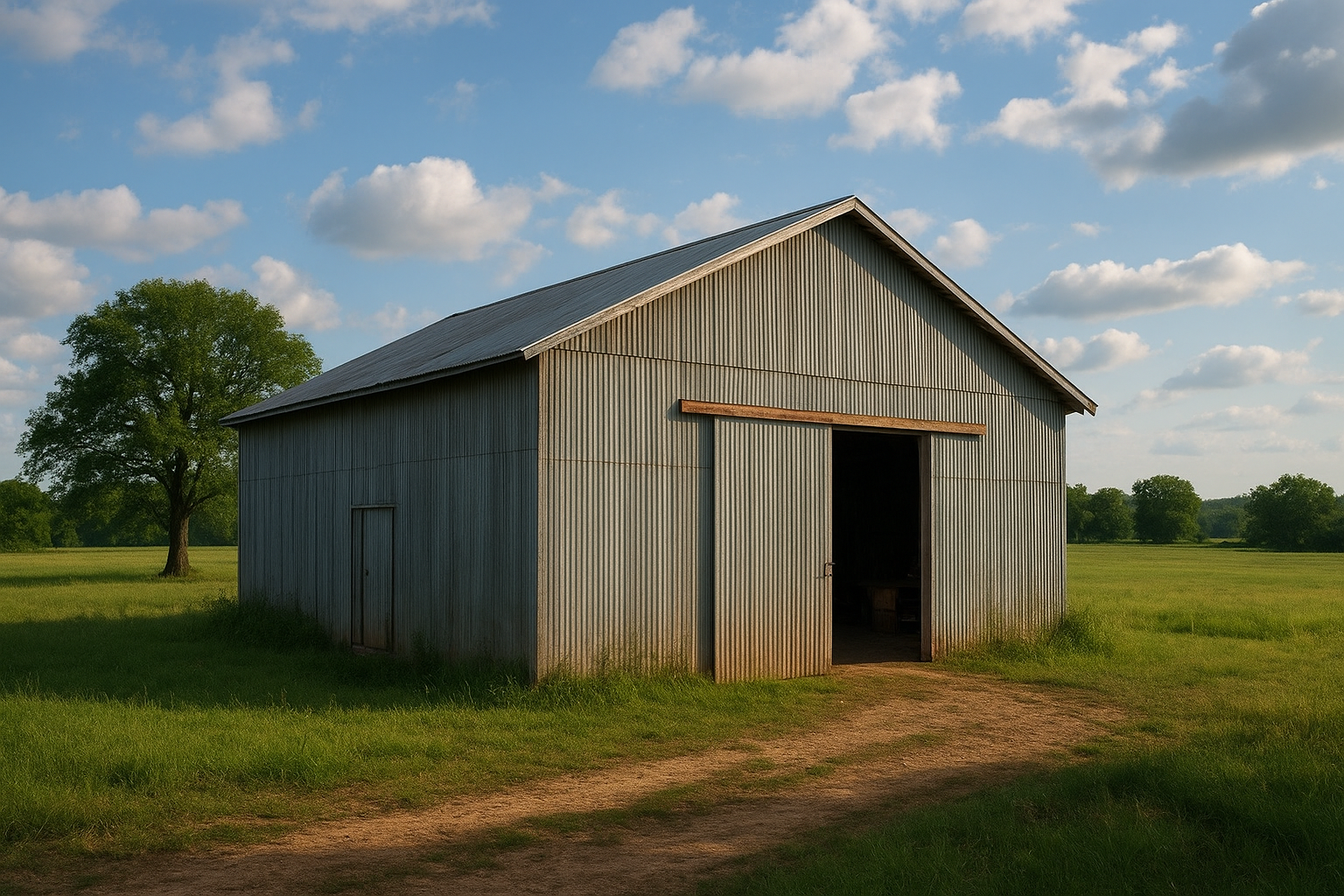
Building Strength That Lasts
In the world of modern agriculture, farm sheds are more than simple storage spaces — they are the backbone of productivity, safety, and protection. Whether you’re storing expensive machinery, housing livestock, or keeping feed dry, a durable structure ensures your investment is safeguarded from harsh elements. Across climates, from scorching deserts to freezing plains, the challenge remains the same: how to design farm sheds that can withstand any weather.
Farmers today face unpredictable climate conditions — torrential rains, high winds, and extended heatwaves. Traditional sheds often fail to meet these demands, leading to water damage, rusting metal, or structural collapse. This article explores the smartest, strongest, and most resilient farm shed designs engineered to stand tall under every weather condition. You’ll also find detailed comparisons of materials, cost-effectiveness, and design tweaks that make all the difference.
1. Understanding Weather-Resistant Farm Sheds
A weather-resistant shed is defined by one quality: longevity under stress. These farm sheds are engineered with high-tensile materials, superior framing, and protective coatings that repel heat, moisture, and wind. The design approach focuses on structural integrity, material quality, and environmental adaptability.
Core Principles of Weather-Resistant Farm Sheds:
- Structural balance: Equal weight distribution prevents stress on any single section.
- Material durability: Anti-corrosive and UV-resistant components extend life.
- Smart airflow: Ventilation reduces moisture buildup and mold growth.
- Secure anchoring: Deep foundations prevent uplift during storms.
By integrating these elements, farm sheds remain stable and efficient through seasonal changes worldwide.

2. Key Materials That Make a Farm Shed Unbreakable
When designing a shed to last, material choice defines success. Every material interacts differently with the environment — steel fights corrosion, timber offers insulation, and concrete guarantees stability.
Table 1: Comparison of Common Farm Shed Materials
| Material Type | Strengths | Weaknesses | Best Use Case |
|---|---|---|---|
| Galvanized Steel | Corrosion-resistant, fireproof, low maintenance | Can heat up in tropical climates | Machinery & feed storage |
| Reinforced Concrete | Extremely strong, long lifespan, pest-proof | Expensive & less flexible | Permanent livestock housing |
| Treated Timber | Natural insulation, sustainable, aesthetic | Needs maintenance against rot | Small storage sheds or hybrid designs |
| Polycarbonate Roofing Panels | UV protection, lightweight | Limited load-bearing capacity | Roof overlays for ventilation & light |
| Aluminium Frames | Lightweight, rust-resistant | Less impact-resistant | Temporary or mobile sheds |
Choosing the right combination often means blending materials — for instance, using steel frames with concrete bases or timber lining under steel roofing for both insulation and strength.
3. Design Features That Withstand Extreme Weather
The structure of your farm shed determines its endurance. Engineers emphasize design geometry, roof slope, and load-bearing distribution to combat wind, snow, and heat efficiently.
Essential Design Features:
- Sloped Roofs: Encourage rain and snow runoff, reducing pressure buildup.
- Cross-Bracing: Adds lateral stability during high winds.
- Ventilation Louvers: Maintain airflow to prevent condensation.
- Reinforced Doors and Windows: Keep openings sealed during storms.
- Overhanging Eaves: Shield walls from direct rainfall and UV exposure.
- Drainage Channels: Prevent water accumulation near the base.
A properly designed shed channels natural forces — it doesn’t resist them blindly. For instance, in cyclone-prone areas, a low-pitched, wind-tunnel-tested design reduces drag, while in cold climates, steep roofs prevent snow buildup.
4. Smart Foundation and Framing Techniques
No matter how robust the walls are, the foundation dictates survival. Wind uplift, floods, and soil shifts all test a structure’s roots.
Strong Foundation Practices:
- Use reinforced concrete slabs with anchor bolts.
- Integrate steel footing plates to secure vertical columns.
- Add drainage layers beneath the base to avoid waterlogging.
- For unstable soils, deploy deep pier or pile foundations.
Framing Tips:
- Opt for galvanized steel frames for long-term resistance.
- Use bolted rather than welded joints — they allow controlled flexibility during stress.
- Include cross-beam reinforcements in high-wind areas.
This balance between rigidity and controlled movement lets farm sheds flex without fracturing during extreme conditions.

5. Climate-Specific Farm Shed Designs
Different regions demand different design adaptations. A shed that thrives in the Australian outback will fail in Scandinavian snow. Let’s look at global climate patterns and their best-suited shed approaches.
Table 2: Climate-Based Design Recommendations
| Climate Type | Key Challenges | Recommended Design Approach |
|---|---|---|
| Tropical (High Humidity) | Moisture, corrosion | Elevated flooring, anti-rust steel, cross-ventilation |
| Desert (High Heat) | UV damage, expansion | Reflective coatings, ventilated roofing, insulated panels |
| Temperate (Mixed Seasons) | Variable temperature | Adjustable vents, hybrid materials |
| Cold / Snowy Regions | Snow load, freezing | Steep roof angles, thermal insulation |
| Coastal Areas | Salt corrosion, wind | Marine-grade paint, stainless fixtures, deep anchoring |
These tailored adaptations allow farm sheds to perform optimally across any region, turning local challenges into design opportunities.
6. Maintenance Tips to Maximize Longevity
Even the strongest designs need periodic care. A weather-resistant shed can last decades, but regular checks ensure its performance remains consistent.
Essential Maintenance Routine:
- Inspect roof joints and seals every six months.
- Wash off salt or mud accumulation after storms.
- Repaint exposed metal frames every 3–4 years.
- Replace any corroded bolts or anchor points immediately.
- Check foundation cracks and drainage channels before monsoons.
Smart Maintenance Hacks:
- Apply polyurethane coatings for extra rust protection.
- Install gutter guards to avoid clogging.
- Use automatic ventilation sensors to regulate internal temperature.
When maintained properly, farm sheds continue to deliver high performance regardless of weather patterns, extending their lifespan well beyond average expectations.
7. Cost vs. Durability – Finding the Right Balance
While premium materials ensure durability, they also raise upfront costs. Yet, in the long run, strong sheds save thousands in repairs and replacements. Below is a comparative breakdown for better perspective.
Table 3: Cost vs. Durability Comparison
| Shed Type | Initial Cost (USD / sq.ft.) | Expected Lifespan | Maintenance Frequency | Best For |
|---|---|---|---|---|
| Basic Steel Shed | 15–20 | 15–20 years | Annual paint & seal | Equipment storage |
| Concrete Hybrid Shed | 25–35 | 40+ years | Minimal | Livestock, grain storage |
| Timber + Steel Combo | 18–25 | 25–30 years | Moderate | Mixed-use |
| Full Aluminium Shed | 20–28 | 25 years | Low | Portable units |
Even if the initial investment in stronger farm sheds feels high, the reduced maintenance, insurance savings, and improved efficiency make it a smart economic choice.

8. Expert Customization Ideas for Maximum Efficiency
Beyond structure, customization amplifies performance. Smart layouts improve movement, lighting, and temperature control inside the shed.
Top Customization Options:
- Solar Roofing Panels: Generate power while providing heat protection.
- Translucent Polycarbonate Strips: Allow natural light entry, reducing electricity use.
- Smart Doors: Remote-controlled shutters for tractors and machinery.
- Integrated Water Harvesting Gutters: Channel rainwater for reuse.
- Thermal Insulation Panels: Maintain stable internal conditions.
Each of these features transforms standard farm sheds into high-performance, eco-friendly workspaces.
9. Global Trends in Farm Shed Engineering
Technology has evolved agricultural architecture. Today’s farmers demand multi-purpose, sustainable designs that integrate renewable energy and automation.
Emerging Trends:
- Modular Prefabrication: Speeds up construction while ensuring precision.
- Recycled Steel Usage: Reduces environmental impact.
- AI-Based Climate Monitoring: Adjusts ventilation and humidity automatically.
- 3D-Printed Structural Components: Enhance design accuracy and reduce waste.
These innovations redefine the meaning of durability — making farm sheds not only tough but intelligent.
10. Real-World Success Stories
- Australia: Cyclone-rated steel sheds now protect livestock across Queensland’s coastal belt, reducing losses by 60%.
- Canada: Thermal-insulated concrete sheds maintain ideal storage temperatures for grains year-round.
- India: Farmers in Rajasthan use reflective-roof steel farm sheds to store tractors, cutting heat exposure by 30%.
- Europe: Modular, solar-integrated sheds support sustainable dairy farms.
Across continents, these examples prove that well-designed farm sheds ensure agricultural resilience in the face of global climate change.
11. Sustainability and Future Outlook
Durable sheds are inherently sustainable — they require fewer rebuilds, conserve resources, and minimize waste. Using eco-friendly coatings, solar integrations, and recycled metals has turned shed design into a symbol of smart, sustainable farming.
Sustainability Benefits:
- Reduced carbon footprint from longer-lasting materials.
- Energy-efficient lighting and temperature control.
- Recycled steel and concrete reduce raw material dependence.
- Rainwater harvesting systems conserve water.
Tomorrow’s farm sheds will not only resist the weather but also generate energy, recycle resources, and support climate-positive farming.
Conclusion – Designing Strength for Every Season
Weather will always be unpredictable, but your shed doesn’t have to be. From storm-resistant roofing and reinforced frames to eco-smart layouts, the future of farm sheds lies in intelligent design and material innovation. A well-built structure becomes more than protection — it’s an investment in productivity, safety, and sustainability.
Every farmer, whether managing a small homestead or a global agribusiness, benefits from choosing the right structure. By focusing on resilience, adaptability, and global best practices, farm sheds today can face every sunrise, every storm, and every season with unmatched confidence.