When it comes to maintaining a home, most people focus on painting, interiors, and landscaping—but forget one of the most critical elements: the roof. A damaged or neglected roof can cost homeowners thousands in repairs. That’s why a roof inspection is not just a recommendation—it’s a necessity.
Professional roofing experts know exactly what to look for, where hidden problems may be lurking, and how to prevent costly damage before it escalates. In this article, we reveal 10 amazing roof inspection secrets professionals use so you can understand what really goes into safeguarding your home.
Why Roof Inspection Matters More Than You Think
A roof is the first line of defense against sun, rain, wind, and snow. Skipping regular roof inspections can result in:
- Water leaks that damage walls and ceilings.
- Mold growth inside the attic.
- Structural sagging from hidden rot.
- Reduced property value.
Top Reasons for Regular Roof Inspections
- Early Problem Detection: Catch minor issues before they become emergencies.
- Energy Efficiency: A healthy roof prevents drafts and keeps indoor temperatures stable.
- Longevity: Extend roof life by 5–10 years with consistent care.
- Safety: Avoid collapses or dangerous conditions caused by unnoticed damage.
10 Amazing Roof Inspection Secrets Professionals Use
1. Spotting Early Signs of Water Damage
Professionals know that the tiniest water stains or damp insulation could signal a much bigger problem. They check:
- Attic ceilings for discoloration.
- Soft spots on wooden beams.
- Mold growth near insulation.
2. Using Binoculars and Drones for a Safer Look
Instead of climbing directly, inspectors use binoculars or drones to scan rooftops.
- Drones capture high-resolution images.
- Binoculars help spot damaged shingles without risk.
- Safer for steep or fragile roofs.
3. Checking for Shingle Granule Loss
Over time, asphalt shingles lose their protective granules. Pros look for:
- Granules in gutters or downspouts.
- Bald patches on shingles.
- Signs of UV damage.
4. Inspecting Flashing Around Chimneys and Skylights
Flashing is a thin metal barrier that keeps water out. Weak flashing is one of the top causes of roof leaks. Professionals check:
- Corrosion or rust spots.
- Loose edges.
- Poor sealing around skylights.
5. Secret of the Roof Inspection Checklist
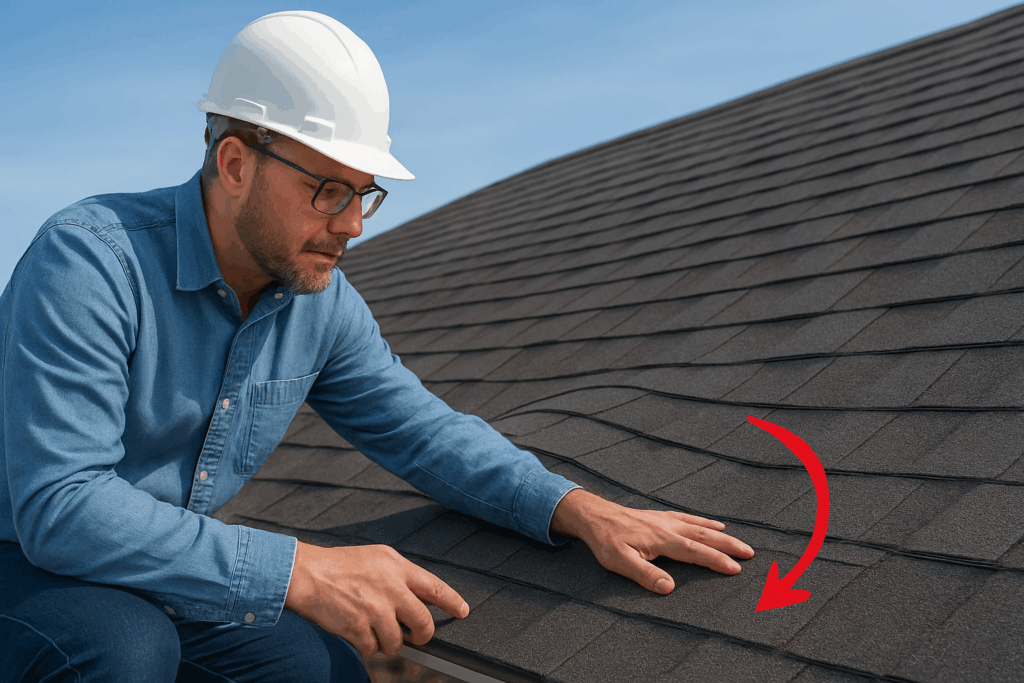
Professionals never inspect blindly—they follow a detailed checklist covering:
- Exterior roof surface.
- Gutters and drainage.
- Attic ventilation.
- Chimneys and skylights.
- Structural sagging.
6. Spotting Structural Sagging
Even small dips in a roofline can signal serious issues. Inspectors look for:
- Sagging rafters in the attic.
- Uneven rooflines from the ground.
- Water pooling on flat sections.
7. Examining Gutters and Downspouts
Healthy gutters = a healthy roof. During roof inspections, pros often find hidden issues in:
- Blocked gutters causing water overflow.
- Rusting or leaking seams.
- Granule buildup, indicating shingle wear.
8. Looking Beyond the Roof—Attic & Ventilation
Roof problems often start inside. That’s why professionals always check:
- Adequate attic ventilation.
- Signs of trapped moisture.
- Mold, mildew, or rotting wood.
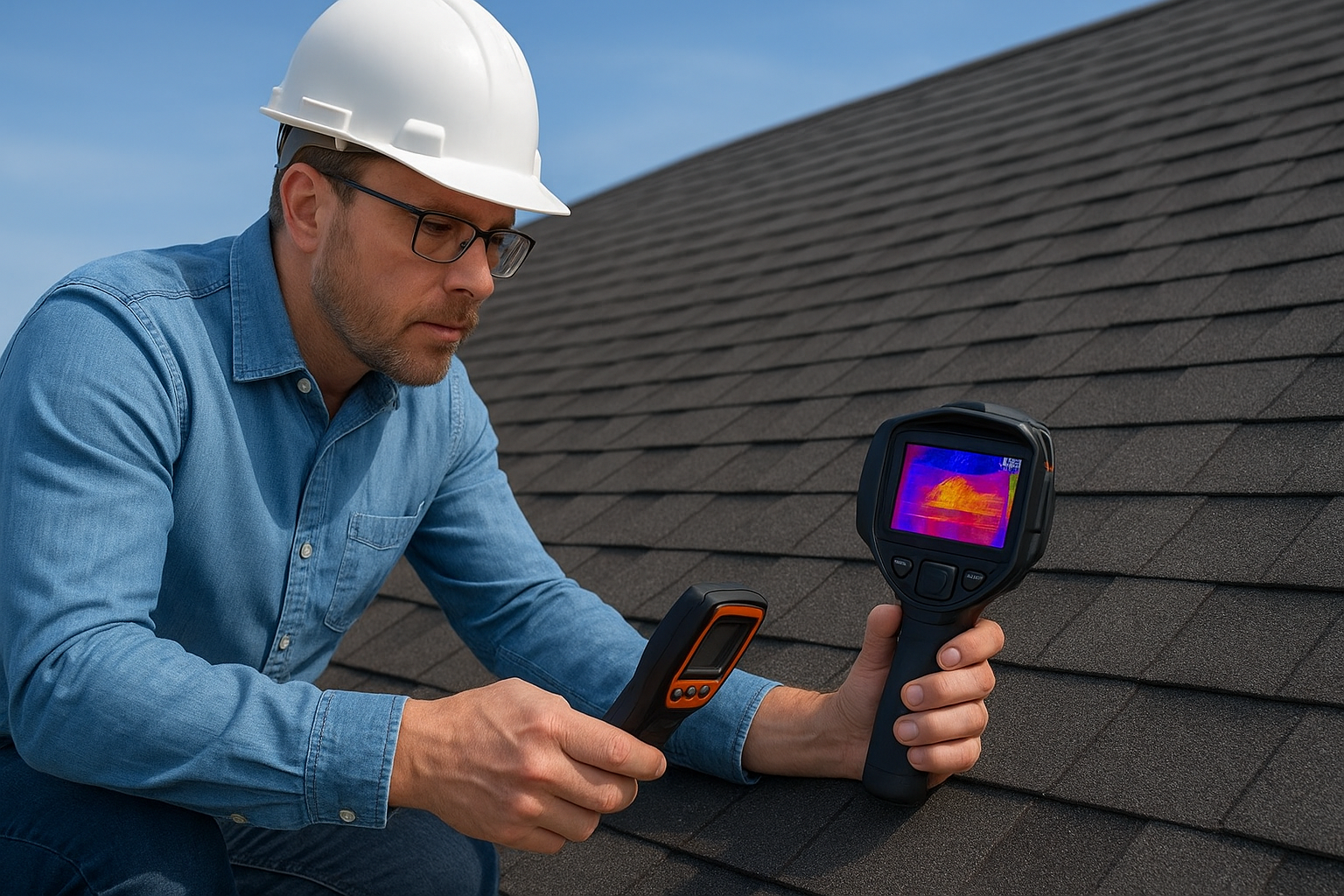
9. Using Moisture Meters and Infrared Tools
One secret weapon roofing pros use is advanced tech:
- Moisture meters detect hidden dampness.
- Infrared cameras reveal leaks without tearing off shingles.
- Prevents expensive exploratory damage.
10. Scheduling Seasonal Roof Inspections
Timing matters. Professionals recommend:
- Spring inspections to repair winter damage.
- Fall inspections before snow and storms.
- Post-storm checks to address immediate risks.
DIY vs Professional Roof Inspection
| Factor | DIY Roof Inspection | Professional Roof Inspection |
|---|---|---|
| Safety | Risky, especially on steep roofs | Trained & equipped for safety |
| Tools Available | Basic (ladder, flashlight) | Drones, infrared, meters |
| Accuracy | May miss hidden issues | Detailed analysis & report |
| Cost | Free (your effort) | $100 – $600 depending on scope |
| Long-term Value | Short-term peace of mind | Prevents major repairs |
Common Mistakes Homeowners Make During Roof Care
- Skipping inspections until leaks appear.
- Assuming new roofs don’t need checks.
- Ignoring clogged gutters.
- Walking on fragile roofs without safety gear.
- Delaying minor repairs that escalate into replacements.
Benefits of Professional Roof Inspections
- Catch hidden damage early.
- Extend roof life by years.
- Lower long-term repair costs.
- Improve home energy efficiency.
- Add resale value and buyer confidence.
FAQs About Roof Inspection
Q1: How often should you get a roof inspection?
At least twice a year—spring and fall. Also, after major storms.
Q2: Can I do my own roof inspection?
Yes, for visible damage, but professionals catch hidden issues using advanced tools.
Q3: What are the most common signs of roof damage?
Missing shingles, leaks, sagging, granule loss, and clogged gutters.
Q4: How much does a roof inspection cost?
Basic inspections start at $100, while advanced scans can cost $600 or more.
Q5: Is roof inspection necessary before buying a house?
Absolutely. It prevents surprises and can save thousands in negotiations.
Conclusion
A roof is more than just shelter—it’s your home’s protector. Ignoring regular roof inspections can lead to costly damage, while following professional methods ensures safety and savings. By learning these 10 amazing secrets professionals use, you can appreciate the value of inspections and take proactive steps toward maintaining a strong, durable roof.
👉 Action Tip: Schedule a professional roof inspection today to secure your home’s comfort, safety, and long-term value.